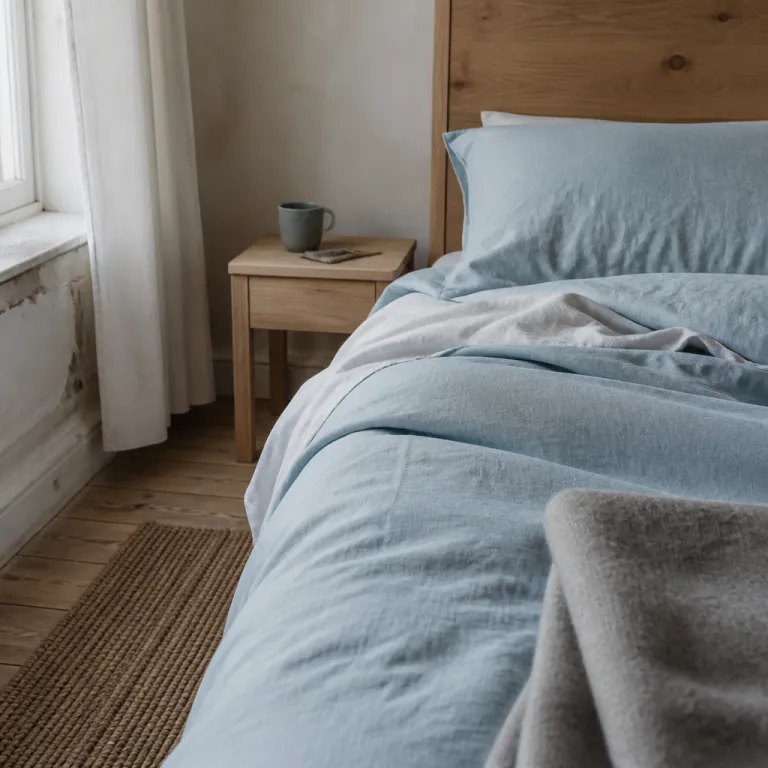
How to choose a B&B online when photos look perfect
Learning how to choose a B&B online starts with slowing down. A polished gallery can look like flawless makeup on a tired face, where a creamy filter hides every line but also every clue. You need to read each image as carefully as you would study a foundation shade against your own skin.
Look first at the light rather than the décor, because natural light rarely lies about a room’s true tone or size. If every photograph is taken at night with heavy artificial light, the coverage of reality is probably as thick as a full-coverage foundation and the shade will not match what you meet at check in. When you see a mix of daylight and evening shots, you can better picture the color in your mind and imagine how the space will feel from morning to dusk.
Then compare the official gallery with guest photos in reviews, treating the contrast as a before and after makeup test. When the same room looks similar across professional and guest shots, you can trust that the skin tone you see online will match the skin tone you sleep in. If the difference is as stark as medium to very light skin in foundation terms, you should question whether the application of filters has turned natural beauty into something closer to stage makeup.
Zoom in on textures the way a good skincare routine focuses on skin type rather than marketing promises. Real wood, slightly worn rugs and books with cracked spines suggest natural skin rather than a heavy layer of digital makeup over cheap products. When a host shows a thin layer of imperfection — a scuffed stair, a mismatched chair — that usually signals honesty, not neglect.
Pay attention to bathrooms, which often reveal more than bedrooms about how to choose a B&B online with genuine care. If the listing avoids bathroom photos entirely, that missing application of visual information is like concealer skipping dark circles under the eyes. In luxury and premium B&Bs, a clear shot of the shower, tiles and amenities is the equivalent of light coverage foundation that lets the underlying beauty of the property’s skin tone show through.
Reading reviews like a seasoned B&B insider
Most travelers now read several reviews before booking, yet few adjust their expectations for small properties. Learning how to choose a B&B online means understanding that a ten room inn will never generate the same volume of feedback as a city hotel with hundreds of keys. You must treat each review as a concentrated foundation sample rather than a mass market tester.
Start by scanning the dates and distribution, because a cluster of recent negative comments carries more weight than older praise. A 2023 TripAdvisor survey reported that around 81% of travelers “always or usually” read reviews before booking, and many consult at least half a dozen comments, which is just enough coverage to see the real range of guest experiences. For B&Bs, where sample sizes are small, each review will apply more influence than it would for a large hotel.
Read the language with the same attention you would give to ingredients on skincare products. Guests who describe specific details — the exact breakfast time, the feel of the mattress, the way natural light enters the room in the morning — offer a narrative you can trust. Vague praise about beauty or charm, with no mention of the host’s face to face presence, is the review equivalent of a foundation cream promising perfect coverage for every skin type.
Host responses are your hidden gem, especially in luxury and premium segments where service tone matters. A thoughtful reply that addresses issues like noise, dry air from air conditioning or late check in shows how the host will apply care when problems appear. When a host explains how they handle accessibility needs or quiet rooms for light sleepers, you learn more than any star rating can tell you.
Because B&Bs often sit in less obvious locations, cross check reviews with mapping services and regional guides. For example, when you read about elegant bed and breakfast stays in Indiana’s hidden corners, you see how reviewers describe light coverage of amenities balanced with deep local immersion. Use that same lens on any listing, asking whether the mix of praise and criticism matches the price, room count and promised style of experience.
What “family run” and “characterful” really signal
Marketing language on B&B listings can feel as opaque as makeup shade names, so you need a methodical step by step reading. Phrases like “family run” or “full of character” can either signal genuine natural beauty or act as a thick cream foundation hiding structural flaws. The art of how to choose a B&B online lies in telling the difference.
When a listing says “family run”, look for concrete details about who actually lives on site and how they host. A clear description of the host’s daily routine — who cooks breakfast, who checks you in, who will face late arrivals — suggests a real family presence rather than a management company using a warm shade of language. If the “about the host” section feels as generic as a one tone fits all foundation cream, assume the family story is more marketing than reality.
“Characterful” can mean original furniture, creaking floors and natural light falling across old stone, or it can mean cramped rooms and thin walls. Study photos for signs that the property’s character has been respected rather than covered with a uniform cream shade of modern décor. When you see a thin layer of restoration that lets original beams, uneven plaster and local art show through, that style will usually age well for mature travelers who value authenticity.
Hidden gem hunters should also look beyond traditional listings to tools like bed and breakfast inns for sale platforms. Guides on how luxury travelers can use bed and breakfast inns for sale listings to find hidden gem stays show how ownership level information reveals the property’s true condition. If a building has been treated like a long term skincare routine rather than a quick makeup fix, you will feel it in the way guests talk about comfort, warmth and light coverage of rules.
Finally, match the emotional color of the listing with your own travel tone. If you prefer quiet mornings and slow daytime walks, avoid properties whose reviews mention late night noise, bright bar light and a social scene that never sleeps. Choosing a B&B whose natural rhythm matches your own is as important as choosing the right foundation cream for acne prone or dry skin.
Photo forensics: decoding rooms, light and real comfort
Serious travelers now treat listing photos like evidence rather than decoration. When you learn how to choose a B&B online through images, you start to see what hosts reveal and what they quietly crop out. Think of each gallery as a face without makeup, then ask where the digital foundation has been applied.
Begin with the bed, because its proportions anchor the whole room. Compare the mattress width to visible objects like bedside tables or windows to estimate actual size in metres, not just the flattering angle of the camera. If the bed appears to float in a sea of empty floor with no clear reference points, the coverage of wide angle lenses may be stretching reality like an over generous cream foundation on light skin.
Next, study windows and curtains to understand natural light and privacy. Sheer curtains with no heavier layer suggest that early morning light will apply itself directly to your face, which some guests love and others with jet lag will hate. Blackout blinds, shutters and layered textiles indicate a host who thinks about different types of sleepers, from those who need light coverage at dawn to those who prefer full darkness.
Bathrooms deserve the same forensic attention you would give to a new skincare routine. Look for close ups of fixtures, grout and storage, because these details reveal whether the property treats comfort as a daily ritual or a one off application. When you see generous counter space, hooks and shelves, you know your own products and makeup will fit without balancing on a tiny sink.
Finally, examine communal areas for signs of real life rather than showroom staging. A bookshelf with varied titles, a breakfast table set for different appetites and a hallway with local maps suggest a natural skin approach to hospitality. Overly coordinated cushions, identical cream shade throws and no personal objects can feel like heavy coverage makeup — flawless at first glance, but tiring after a few days.
Price, room count and the quiet signals of quality
Price alone tells you very little, but price in relation to room count can be revealing. When you are working out how to choose a B&B online, always check how many rooms the property offers and how that number aligns with the nightly rate. A ten room inn charging a premium often has the margin to apply more attentive service than a thirty room property at the same price.
Use the price to room ratio as you would use skin tone charts when choosing foundation. A high price with very few rooms can indicate a thin layer of guests and a generous layer of staff attention, which suits travelers who value privacy and tailored care for mature needs. A lower price with many rooms may still work beautifully if reviews show that the host’s efforts stretch comfortably across all guests without cracking.
Compare what is included in the rate with what is shown in photos and described in text. If breakfast, parking and thoughtful amenities like high quality toiletries are bundled in, the coverage of value may be stronger than a cheaper stay where every extra is an add on. Look for mentions of how the host will apply their time — do they sit at the breakfast table, offer local tips and adjust to different types of travelers, or do guests describe a more hands off approach.
Seasonality also shapes value, especially in regions with strong shoulder seasons. Guides to why Europe’s shoulder season is the smart traveler’s best kept booking window show how natural light, crowd levels and prices shift outside peak months. Booking during these periods can feel like choosing light coverage makeup instead of a heavy festival look, giving you room to breathe while still enjoying the full color of a destination.
Finally, cross check the listing on the B&B’s direct website and on any online travel agency where it appears. Differences in room names, included products and cancellation policies reveal how transparent the host is willing to be. A property that presents the same honest shade of information everywhere is far more likely to deliver a stay that matches its photos and prose.
Hidden gems: using listing details to find real character
Hidden gem B&Bs rarely shout the loudest in search results. Learning how to choose a B&B online that feels genuinely special means training your eye for small signals that mass market travelers overlook. These properties often sit just beyond the first page, with modest photography but quietly glowing feedback.
Start with the “about the host” section, which is often the most revealing paragraph on any listing. Hosts who talk specifically about their morning routine, their love of local produce and the way they welcome different types of travelers tend to run houses where hospitality feels like a well considered skincare routine. When they mention how they handle dietary needs, late arrivals or guests with strong sensitivities to noise and fragrance, you can sense how that care will apply to you.
Look for reviews that mention small, consistent gestures rather than grand statements. Guests who recall the exact shade of homemade jam, the way natural light fell across the breakfast table or the host’s help with a forgotten makeup bag are describing a property with real natural beauty. These details are the hospitality equivalent of a cream foundation that matches your skin tone so perfectly that it disappears.
Hidden gems also tend to be clear about what they are not. A listing that openly states it is better suited to quiet couples, solo explorers or older travelers who value calm over nightlife is using honest coverage rather than trying to be all things to all skin types. That transparency is as reassuring as a product label that spells out whether it suits dry skin, light skin or combination skin.
Finally, remember that misleading listings often share the same patterns. As one expert summary puts it, “Look for vague descriptions, missing photos, and inconsistent reviews.” When you see those warning signs, no amount of professional photography or poetic language about cream shade sunsets should persuade you to book.
Translating beauty language into booking literacy
Many of the skills you use to choose foundation or skincare translate directly into how to choose a B&B online. You already know that the right shade depends on skin tone, skin type and the light where you will wear it. Apply that same logic to B&Bs and you will make sharper, more confident decisions.
Think of the listing description as the front of a beauty product box. It promises coverage, comfort and a certain color of experience, but you need to read the back — the reviews, the host responses, the unfiltered guest photos — to understand how that cream will behave on different kinds of travelers. A property that works beautifully for early risers who love bright light might overwhelm night owls or guests with mature needs who require quieter evenings.
Consider your own travel “skin type” before you search. If you are prone to stress like acne prone skin, prioritize clear house rules, strong Wi Fi and straightforward check in instructions, because these elements act as a calming skincare routine. If you have metaphorical dry skin and crave comfort, look for repeated mentions of plush bedding, generous heating and hosts who notice when guests need an extra thin layer of care.
When you compare options, imagine each B&B under different lighting conditions. How will the rooms feel in natural light during the day, in soft lamps at night and in the flat light of bad weather. Properties that look inviting across all these tones, with reviews to match, are the ones that offer light coverage flexibility rather than a single flattering angle.
Above all, remember that no listing is perfect, just as no foundation cream suits every face. Your goal is not to eliminate every possible flaw but to choose color, texture and coverage that align with your own travel tone. When you treat each detail — from room photos to host bios — as part of a layered application, you turn online booking from a gamble into a considered ritual.
Key figures for smarter B&B booking decisions
- Industry research from major review platforms indicates that a strong majority of travelers read reviews before booking a B&B, which explains why review literacy is now as essential as understanding a product label in a skincare aisle.
- Travelers typically read several reviews before committing to a stay, a number that is high enough to reveal patterns but low enough that each individual review will carry significant weight for small B&Bs.
- The combination of limited room counts and concentrated feedback means that a single detailed negative review on a ten room B&B can proportionally influence perception far more than one critical comment on a 300 room hotel.
- Growing demand for transparent listings has encouraged more hosts to show bathrooms, communal spaces and exterior shots, giving attentive travelers more visual data points to cross check against written promises.
- The increasing use of AI tools for pattern recognition in travel planning is helping guests spot inconsistencies between photos, descriptions and reviews, reducing the impact of misleading listings over time.
Frequently asked questions about reading B&B listings
How can I spot misleading B&B listings?
Look for vague descriptions that rely heavily on emotional language without concrete details about rooms, amenities or host presence. Missing photos of key spaces such as bathrooms or exteriors are another warning sign, especially in higher price brackets. Review patterns that swing sharply between extreme praise and harsh criticism, with little in between, should prompt closer scrutiny.
Why are guest reviews important when booking a B&B?
Guest reviews provide first hand accounts of how a property operates day to day, beyond its curated photos and marketing copy. They reveal recurring strengths and weaknesses, from noise levels to breakfast quality, that listings rarely highlight. For small B&Bs with limited room counts, each review carries more weight, making careful reading essential.
What should I do if a listing lacks essential photos?
If a B&B listing omits images of bathrooms, exteriors or communal areas, contact the host directly and request recent photos of those spaces. A transparent host will usually respond quickly with clear images and practical information. If the reply is evasive or unhelpful, consider other options where the visual and written information align more closely.
How should I read B&B reviews differently from hotel reviews?
Because B&Bs have fewer rooms, they naturally generate fewer reviews, so each comment represents a larger share of total guest experience. Focus on detailed, specific reviews rather than star ratings alone, and pay close attention to how hosts respond to criticism. Consistent themes across a small number of reviews are often more reliable than isolated extremes.
Is it better to book a B&B through an online agency or directly?
Online travel agencies offer useful comparison tools and aggregated reviews, which help you shortlist properties efficiently. However, checking the B&B’s direct website often reveals more accurate room descriptions, current photos and clearer policies, and sometimes better value. For luxury and premium stays, using both sources together usually gives the most complete picture before you book.