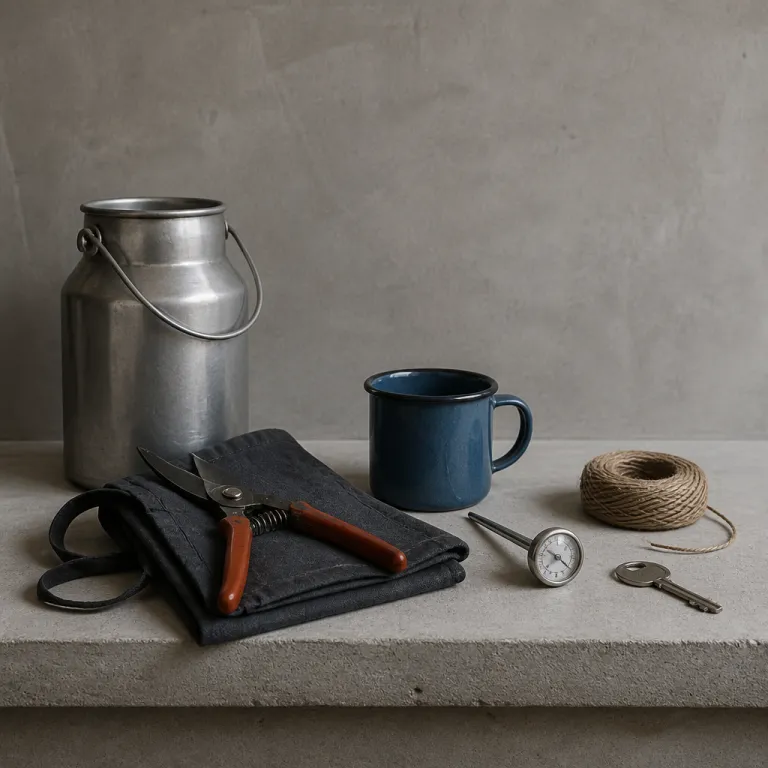
From working fields to herb gardens: what counts as agritourism now
Agritourism used to mean sleeping above the farm animals and joining the morning milking, but the agritourism farm stay BB trend 2026 has stretched that definition. Today the agritourism market spans everything from fully operational farm stays in rural hillsides to polished country houses that simply weave a herb patch and a chicken coop into their tourism narrative. For guests browsing a luxury booking channel, the line between a genuine farm stay and a styled rural escape is thinner than ever.
At its core, agritourism is tourism centered around agricultural activities, and that still holds whether you are in north America, east Asia or the quieter corners of east Africa. Hosts who run working farms now use online booking platforms to sell rooms and curated farm tours, while a different age group of owners in wine regions build rural experiences around tastings, cooking classes and soil to table storytelling. This broad spectrum is exactly why the agritourism farm stay BB trend 2026 is reshaping how the global market thinks about rural tourism and its future market growth.
For a luxury and premium B&B, the question is not whether you own hectares of farmland, but how honestly you engage with the surrounding rural landscape. Some properties sit on a modest family farm yet offer high touch service, refined linens and a breakfast table that rivals any city hotel, turning simple farm stays into deeply memorable experiences. Others occupy a village edge plot with only a kitchen garden, but still participate in the agritourism market by partnering with neighboring farms for activities and by being transparent about which rural experiences happen on site and which are hosted off property.
Reading the numbers: why farm stays are growing faster than heritage inns
The headline is clear ; farm stays captured roughly 9 percent market growth while heritage style inns held about 31.62 percent of revenue share in the wider B&B market. Behind that, the agritourism market size climbed from about 9.18 billion USD to more than 10.41 billion USD, with a forecast that it could reach close to 28.38 billion USD as rural tourism matures. Those size USD figures matter because they show that agritourism is no longer a niche side activity but a serious global market segment with its own demand curves and consumer expectations.
Several forces sit behind the agritourism farm stay BB trend 2026, and they are not just about Instagram shots of vineyards at sunset. Regional grants in parts of the European Union, north America and the Asia Pacific region have encouraged farmers to add guest rooms, invest in infrastructure and list on international booking channels, which has expanded both the supply and the market share of farm stays. At the same time, surveys show that more than half of recent guests say local immersion now outweighs star classification, which explains why rural experiences and farm tours are suddenly central to how many B&Bs position themselves.
For the executive traveler extending a work trip, these numbers translate into more choice and more nuance. You might land in america for meetings, then filter your booking search by agritourism activities and find a small group of properties that combine strong Wi Fi with credible farm activities and a clear analysis of their environmental impact. As one industry explainer puts it without embellishment ; “What is agritourism?” and “How do farm stays benefit farmers?” and “Why are tourists interested in farm stays?” — the answers are simple ; “Tourism centered around agricultural activities.” and “Provide additional income streams.” and “Seek authentic rural experiences.”
The blurred line: when does a B&B become an agritourism property ?
Labels move faster than regulation, and the agritourism farm stay BB trend 2026 is a textbook case. A property can operate as a traditional B&B yet market itself as part of the agritourism market simply because it serves eggs from a neighbor’s farm and offers a weekend farm tour. For guests, the real question is not the label but whether the rural activities on offer feel integral to the place or bolted on for marketing.
Think of a stone farmhouse in Tuscany where the owners still manage olive groves and vineyards, and where guests can join the harvest, walk the rows at dawn and sit down to dinner with oil pressed on site ; that is agritourism in its purest form. Compare that with a coastal B&B that has rewilded its garden, sources vegetables from a nearby farm and offers guided walks with a local naturalist ; it participates in rural tourism, but the farm element is more interpretive than operational. Properties like Tella There in Crete, profiled as a future primitivism eco B&B on bnb stay’s hot list, show how a stay can feel rooted in land stewardship even when the farm size in USD terms is modest.
For booking platforms, this blurred line creates both an opportunity and a responsibility. A luxury focused channel such as bnb stay.com needs filters that distinguish between full working farm stays and B&Bs that simply curate rural experiences through partners, so that each consumer can choose the level of immersion they want. Clear descriptions of which activities happen on the host’s own farm, and which are arranged off site, help maintain trust while still allowing properties without extensive land to benefit from the wider market agritourism wave.
What the agritourism wave means for traditional B&B hosts
For owners who run townhouses, heritage inns or coastal guesthouses with no fields attached, the agritourism farm stay BB trend 2026 can feel like a threat. The data on market growth and market share suggests that agritourism will continue to capture a growing slice of global demand, but that does not mean every successful B&B must suddenly become a farm. Instead, it means being precise about what you stand for and how you connect guests to place, especially if your property sits outside classic rural settings.
Food provenance is the most obvious bridge between urban or village B&Bs and the agritourism market, and it is where many traditional hosts already excel. You may not own a farm, but you can map your breakfast table to a network of local producers, explain which cheeses come from which valley and why a particular age group of winemakers is reviving forgotten grape varieties. Articles such as bnb stay’s guide to what locally sourced actually means at a B&B, from the kitchen to the linen cupboard, show how transparency about supply chains can be as powerful as owning land when it comes to rural tourism credibility.
There is also a structural shift in how travelers, especially business leisure guests, think about time and value. A guest who spends three nights in a city for meetings might now allocate two extra nights to a nearby rural area, using the same booking channel to secure both stays and expecting a coherent narrative of place across them. Traditional B&Bs that partner with farms for day activities, tastings or farm tours can tap into the agritourism market without pretending to be something they are not, preserving their own character while still riding the projected grow in demand for rural experiences.
How to choose and book an agritourism stay that matches your standards
From a guest’s perspective, the agritourism farm stay BB trend 2026 has made the decision tree more complex, not simpler. You are no longer choosing between a city hotel and a countryside inn ; you are choosing between a spectrum of farm stays, rural guesthouses and hybrid properties that blend work and leisure. The key is to read beyond the headline and interrogate how each property actually integrates agriculture into its daily activities.
Start with the basics that any seasoned traveler should check before committing to a booking. Look for clear descriptions of the farm itself — size, type of production, seasonality — and of the tourism experiences offered, from hands on farm tours to more observational tastings or picnics in the fields. Serious hosts will outline which activities are suitable for each age group, whether children can safely participate in chores and how they manage the balance between guest comfort and the realities of a working farm.
Next, pay attention to how the property talks about its place in the wider global market for agritourism. Do they reference local tourism boards or agricultural organizations, or explain how their rates in USD relate to the costs of maintaining both accommodation and farm infrastructure ? Do they share any analysis of their environmental impact, water use or soil health, or explain how your stay contributes to the rural economy in america, asia or the middle east ? Platforms like bnb stay.com are increasingly using predictive hospitality tools to surface this kind of information, and guides on how AI is learning what guests want before check in can help you understand which booking channel is most aligned with your values.
Where agritourism goes next: sustainability, segmentation and smarter data
The agritourism farm stay BB trend 2026 is not a passing fashion ; it is part of a broader shift in how we think about land, leisure and value. As the agritourism market grows from just over 10.41 billion USD toward its projected size in USD billions, expect sharper segmentation by region, age group and type of rural experiences. North America, the Asia Pacific region and parts of east Africa and the middle east will not grow at the same pace, but they will all contribute to a more complex global market map.
For hosts, the next phase is about moving from anecdote to analysis. Instead of guessing which activities resonate, leading farm stays are already tracking which farm tours sell out, which tasting formats work for different age groups and how guests from asia or america respond to varying levels of immersion. That data, when shared with local tourism boards and booking platforms, will refine the forecast for market agritourism and help align supply with real demand rather than assumptions.
For travelers, this evolution should mean more clarity and less greenwashing. You will see better filters on booking channels that distinguish between working farms, lifestyle properties and rural guesthouses that simply curate nearby experiences, along with clearer pricing in USD that reflects both comfort level and the cost of maintaining agricultural land. The most interesting shift may be cultural rather than financial ; as rural tourism matures, the most coveted luxury will be time with hosts who can sit at the breakfast table, talk frankly about the pressures on their land and invite you, for a few days, into the rhythms of a life that is both work and welcome.
FAQ: agritourism and farm stay B&Bs
What is agritourism in the context of a B&B stay ?
Agritourism in a B&B context means tourism centered around agricultural activities, hosted on or closely linked to a working farm. That can include staying in rooms on the farm, joining daily chores, taking farm tours or participating in tastings built around what the land produces. The key is that agriculture is not just décor but a meaningful part of the guest experience.
How do farm stays benefit farmers and rural communities ?
Farm stays provide farmers with an additional income stream that is less volatile than crop prices or weather dependent yields. Revenue from rooms, meals and activities can fund improvements in infrastructure, animal welfare or soil health, which strengthens the wider rural economy. When managed well, this form of rural tourism also supports local suppliers and keeps more of each USD spent circulating within the community.
Why are travelers increasingly interested in agritourism stays ?
Many travelers now prioritize authentic rural experiences and a closer connection to where their food comes from. Surveys show that a significant share of guests value local immersion more than traditional star ratings, which aligns with the agritourism farm stay BB trend 2026. Farm stays offer a way to slow down, learn and participate, rather than just observe from a distance.
How can I tell if a B&B is a genuine farm stay or just using the language ?
Read the property description carefully and look for specifics about the farm, such as what is produced, how many hectares are cultivated and which activities guests can join. Genuine farm stays usually provide clear details about daily routines, safety guidelines and seasonal variations in what you will experience. If the language is vague and focuses only on décor or views, the property may be borrowing agritourism language without offering substantial farm based activities.
When should I book an agritourism stay to get the best experience ?
Booking in advance is wise, especially around harvest seasons or school holidays when demand for farm stays peaks. Before confirming, check which farm activities are offered during your dates, because some experiences are highly seasonal and may not run year round. Aligning your stay with the farm’s natural calendar will usually deliver a richer and more engaging visit.