Why the B&B Check‑In Experience Shapes Your Entire Stay
The psychology of arrival and why the B&B check-in experience matters
You step out of the taxi, stretch, and suddenly every sense is on high alert. The B&B check-in experience starts before anyone says hello, because arrival anxiety is real and your brain is quietly scanning for safety, warmth, and whether this bed and breakfast will feel like a temporary home. A smooth check-in sets a positive tone, enhancing overall satisfaction.
Guests often arrive with a mental checklist to help them feel grounded, and the first check is usually as simple as a friendly eye contact and a clear sign that you are expected. When the host already knows your name, your booking number, and whether you requested an early check-in or a late check-in, that tiny moment of recognition calms the nervous system and signals that your stay will be handled with care. Hospitality research on waiting times in hotels and restaurants suggests that even short perceived delays can significantly reduce satisfaction scores, so those first minutes matter far more than the thread count in your room.
Luxury focused travelers who usually book large hotels or a B&B hotel online are often surprised by how intimate the B&B check-in experience feels. Instead of queuing behind a dozen other bookings at a bank of counters, you may find a single automatic receptionist tablet on a sideboard and a host emerging from the kitchen with a towel over one shoulder. That contrast between impersonal hotels and characterful B&B hotels is exactly why, in recent industry surveys of small accommodation providers, many guests say local immersion now outweighs formal star classification, and immersion begins the moment you cross the threshold on your day of arrival.
First impressions: scent, temperature, and the silent signals of welcome
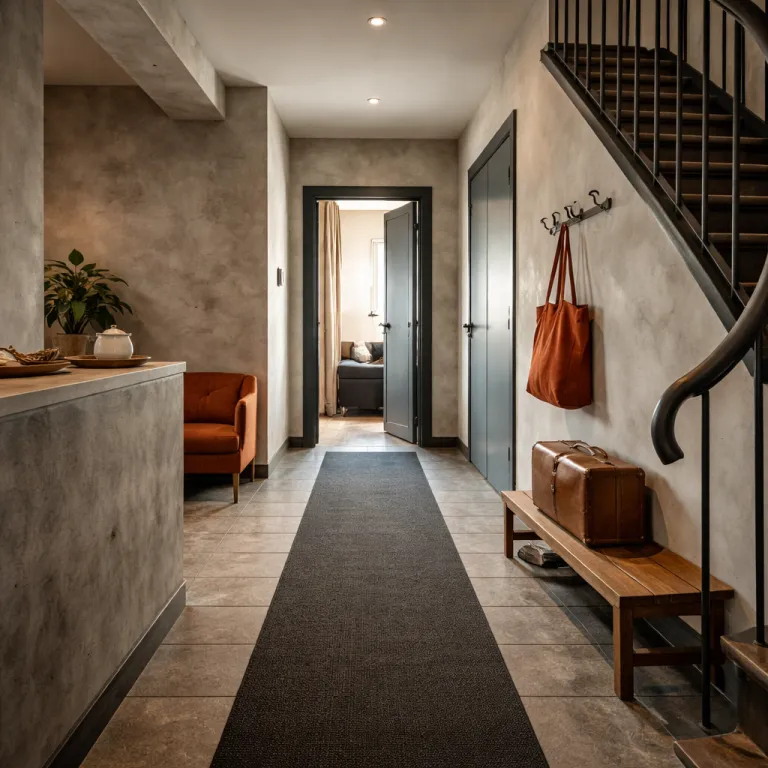
The B&B check-in experience is shaped by details you register before you even check bed and breakfast details at the desk. Scent, temperature, and ambient noise tell you whether this is a place where you will sleep deeply at night or lie awake listening to clattering pipes. When you walk into a cool stone hallway in Italy that smells faintly of lemon oil and coffee, your body relaxes before your mind has time to analyse the room layout.
Hosts who understand hospitality psychology treat these elements as part of the welcome, not as afterthoughts, and they check room readiness with the same care they give to the breakfast menu. A quiet playlist at a low volume, a stable temperature around 21 °C, and a subtle natural fragrance can do more to help you feel at ease than any scripted greeting at a chain hotel reception. These sensory cues also hint at how the rest of your stay will unfold, because a host who calibrates light and sound usually also calibrates conversation, timing, and how much access you want to their local knowledge.
Digital touches now sit alongside these analog signals, especially when you have completed an online check-in before arrival or used booking online tools to share preferences. A thoughtful confirmation email that explains parking, the best time to contact the property, and whether an early check-in or a check-in late option is realistic prepares you for the space you are about to enter. When you arrive and find that the physical experience matches what you read in your booking confirmation, trust clicks into place and you can mentally unpack before you even swipe your card or hand over your passport.
The sit-down welcome versus the key handover: how hosts set the tone
Once you are through the door, the B&B check-in experience usually follows one of two scripts. There is the sit-down welcome, where you are offered a drink, invited to take a seat at a wooden table, and gently walked through the house rules and local tips, and there is the brisk here-is-your-key model borrowed from larger hotels. Each approach sends a different message about how your stay will feel and how much human contact you can expect.
In the most memorable B&B properties, the host reads you within the first few minutes and adjusts the ritual, perhaps shortening the talk for a guest who has had a long night flight or expanding it for a solo explorer eager to discover B&B stories about the neighbourhood. They might check room preferences on their reservation system, confirm your booking number, and ask whether you prefer an early breakfast or a late one, all while sliding over a handwritten map marked with their favourite wine bar. One owner in Lisbon described her approach in a 2023 interview for a regional tourism board: “I try to finish the paperwork in two minutes, then spend five minutes just listening, so I know whether my guest needs a quiet room, a restaurant list, or simply a hot shower.” That blend of efficiency and warmth is hard to replicate in hotels where staff must process a high number of arrivals and where an automatic receptionist or kiosk is designed to keep the line moving.
Technology can still support this human moment when used with intention, especially on a premium booking website where your account stores preferences and login settings. If you complete an online check-in before your day of arrival, you will receive a clear booking confirmation that frees the host from paperwork and lets them focus on conversation instead of forms. Some properties now use an automatic receptionist tablet only to scan your card and ID, then shift immediately to a face to face welcome that feels personal rather than procedural, which is where B&B hotels quietly outperform many traditional hotels.
Digital choreography: how online steps shape the offline welcome
For luxury and premium travelers, the B&B check-in experience often begins days before the first key turns in the lock. The way you move through booking online, manage your account, and receive your confirmation email sets expectations about how organised and attentive the property will be. When the digital choreography is smooth, the physical arrival feels like the natural final step rather than a fresh administrative hurdle.
On curated booking platforms, the best hosts use online tools to reduce friction without losing personality, and they treat every booking as the start of a conversation rather than a transaction. You might click account settings to share your arrival time, dietary needs, and whether you expect an early check-in or anticipate that you will check in late after a long drive, and a good host will respond with a short, specific message rather than a template. That message should confirm your booking number, explain how to access the property if you arrive late at night, and offer a direct help contact in case your plans change on the day of arrival.
Self service options are growing because many guests now prefer flexibility, and surveys by hotel technology providers show that a high percentage of travelers are comfortable with some form of self check-in. Adoption of self service check-in kiosks and mobile tools is rising, but the most guest friendly B&B hotels use them to handle repetitive tasks while keeping the human welcome intact. Are self-service check-ins available at all B&Bs? Availability varies; check with the specific B&B before arrival.
Reading the guest: how great hosts personalise the first thirty minutes
The most telling part of the B&B check-in experience is how quickly a host understands what kind of guest you are. A skilled owner can usually tell within a few minutes whether you want restaurant reservations, hiking routes, or simply a quiet room and a strong Wi-Fi signal. That ability to read you is where small B&B properties have a structural advantage over large hotels that must standardise every interaction.
Watch what happens after the initial greeting, because this is where the future of your stay is quietly negotiated, and where you can also advocate for what you need. A thoughtful host will check room details with you, confirm how many nights you are staying, and ask whether you prefer more privacy or more guidance, then adjust their level of contact accordingly. If you are a solo traveler, they might mention that they sit at the breakfast table to share local tips, and they may even point you to resources such as a solo traveler guide about how good hosts handle the single traveler, which can reassure you that you are in practiced hands.
Behind the scenes, a good reservation system and clear bookings help notes make this look effortless, because the host is not scrambling to find your booking confirmation or your card details. You will receive concise pre arrival messages that explain whether there is an automatic receptionist, how to access your room if you arrive late, and who to contact if you need help contact details during your stay. When those promises match what happens in the first thirty minutes, you can mentally unpack, discover B&B rhythms at your own pace, and trust that the rest of your nights will feel as considered as that first welcome.
FAQ
How does the check-in process affect my overall stay at a B&B ?
The check-in ritual sets expectations about service, privacy, and comfort, and it strongly influences how relaxed you feel for the rest of your stay. When the B&B check-in experience is smooth, with clear information and a warm but efficient welcome, guests report higher satisfaction and are more likely to return. A confusing or delayed arrival, especially after a long day of travel, can colour your perception of the property even if the room itself is excellent.
What should I do if I arrive early at my B&B ?
Contact the property as soon as you know your plans and ask whether an early check-in is possible or whether they can store your luggage until the official time. Many hosts will try to prioritise cleaning your room if they know your day of arrival in advance, especially in smaller B&B hotels where schedules are flexible. Even if the room is not ready, a place to sit, a drink, and access to local tips can turn an awkward wait into a pleasant start.
How can I prepare for a late arrival or late check in ?
When you book, mention that you may check in late and look for properties that offer clear self check-in instructions or an automatic receptionist system. Before you travel, make sure you have your booking confirmation, booking number, and any door codes saved offline, and verify who to contact if something goes wrong at night. A good host will send a detailed confirmation email explaining parking, access, and where your key will be, so you are not left outside searching for help contact details.
Are self service or online check in options as good as a face to face welcome ?
Online check-in can be very convenient, especially if you arrive late or prefer minimal interaction, but it works best when paired with a clear, personal message from the host. Many guests appreciate completing formalities such as ID upload and card details through booking online tools, then having a short, relaxed conversation on arrival instead of standing at a desk. The key is that technology should remove friction, not replace the human warmth that makes a B&B different from most hotels.
What signals should I look for in the first thirty minutes to judge a B&B ?
Pay attention to whether the host seems prepared for your arrival, whether the room matches what you booked, and whether basic information such as Wi-Fi, breakfast time, and access are explained without you having to ask. Notice the atmosphere in shared spaces, the scent and temperature of your room, and how quickly any small issues are handled, because these details usually predict how responsive the host will be during your stay. If the first half hour feels calm, organised, and genuinely welcoming, you can usually expect the rest of your nights to follow the same pattern.