Reading between the lines: what “kids welcome” really means in a high end B&B
Parents searching for a high end B&B with kids in mind often meet vague phrases like “children welcome” or “family friendly” in listings. In practice, “kids welcome” can simply mean the property will not treat a child as a disruption in a quiet dining room, while “kids accommodated” signals concrete amenities such as extra beds, cots, and flexible breakfast times. When you read a description, look for specific features such as room size in square metres, bed configurations, and whether the countryside setting is safe for curious children who move as fast as their parents can turn away.
Luxury countryside B&Bs such as Bay Tree Manor Bed & Breakfast in Virginia or Prairie Guest House in Indiana show how an upmarket inn can balance elegance and ease for families. Their wording goes beyond generic hospitality marketing and spells out what parents can expect, from large gardens to relaxed communal lounges where a dropped toy does not feel like a crisis in a gallery of antiques. When a listing only offers airy adjectives like “serene” and “romantic” yet never mentions children, assume the atmosphere may be as tightly choreographed as a formal tasting menu.
Look for signals that the host understands family dynamics rather than treating young guests as unpredictable elements that might ruin the mood. Clear notes about stair gates, pool fencing, and soundproofing show the property has thought through safety and noise, instead of relying on parents to improvise under pressure. When in doubt, email the host with direct questions about how they handle families, because a high end countryside B&B with kids should feel like a calm rural retreat, not a place where every giggle echoes across polished wood.
Key pre booking questions: layout, noise, and mealtime flexibility
Before you commit to a countryside high end B&B with kids, ask for a simple floor plan or at least a written description of the room layout. Clarify whether children sleep in the same room, in an adjoining space, or across a corridor, because distance measured in inches matters at two in the morning when someone has a nightmare. You want reassurance that walls are thick enough to muffle normal family noise, rather than feeling every thump travel straight into neighbouring rooms.
Soundproofing is the hidden metric that separates the best family stays from the merely pretty ones. Ask whether windows are double glazed, how far the room sits from communal areas, and whether floors are old timber that creaks under even a light step of a child weighing only a few pounds. A thoughtful host will answer with specifics, not vague promises, describing construction materials such as solid wood doors or sturdy frames that keep sound in the room instead of letting it drift into the hallway.
Breakfast timing and food flexibility are the other crucial pre booking topics for any high end B&B with kids in the countryside. Confirm whether the property can serve earlier plates for children, offer simple options such as yoghurt and fruit, or allow parents to bring small snacks, because rigid schedules can turn mornings into emotional meltdowns. When researching refined alpine style countryside stays, guides to elegant family friendly mountain B&Bs show how flexible breakfast hours, relaxed dining rooms, and understanding staff make all the difference between a tense meal and a calm start to the day.
From “kids tolerated” to “kids expected”: reading listing signals with confidence
Parents booking a high end B&B with kids in the countryside quickly learn to decode photos and captions. Images that only show couples with wine glasses and no sign of toys, books, or family sized tables often hint that children are treated as potential disturbances that might upset the set piece. By contrast, a lawn with a swing, a family breakfast table, or a small play corner in the lounge signals that young guests are part of the design, not an afterthought.
Text matters as much as photography when you evaluate a potential countryside haven. Listings that mention travel cots, highchairs, and interconnecting rooms show the same level of planning you would expect from a professional training programme, where every feature is tested rather than improvised on arrival. When a host notes that they can warm baby food, adjust breakfast times, or recommend short walks suitable for small legs, you know the property is calibrated with the same care that experienced hosts apply to every other detail of a luxury stay.
Look for language that reassures parents they will not feel watched or judged. Phrases about a “relaxed family atmosphere”, “understanding of early bedtimes”, or “quiet corners for bedtime stories” suggest a host who expects normal family noise, not silence enforced like a strict rule. For more nuanced examples of countryside and village properties that welcome families with grace, resources such as this guide to elegant Vermont B&B stays for discerning travellers illustrate how tone, imagery, and amenity lists combine to create trust long before you arrive.
What great hosts do when kids melt down in shared spaces
Even in the most carefully chosen high end B&B with kids, there will be a moment when a four year old loses patience at breakfast. The difference between a property you will recommend and one you will quietly avoid lies in how the host responds to that small crisis. A skilled innkeeper treats the situation not as a shocking interruption in a silent room, but as a normal part of family travel that can be gently redirected.
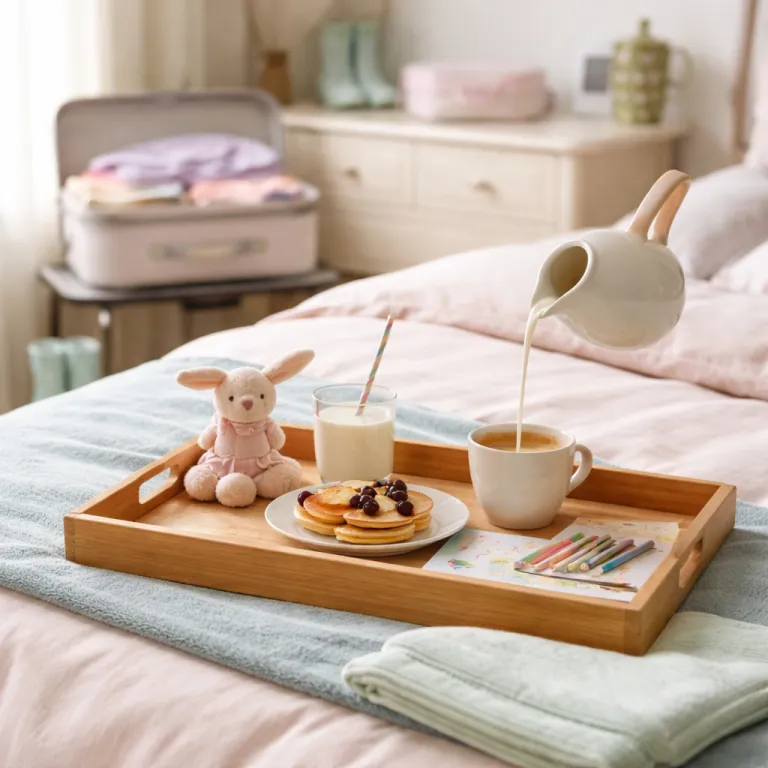
At places like The Inn On Golden Pond near Squam Lake, the best hosts anticipate these moments with practical touches. They might offer colouring pencils, a small daisy chain making kit for the garden, or a quick suggestion that one parent step out to the terrace while the other finishes coffee, turning potential chaos into calm action rather than embarrassment. The right response feels as smooth as a well practised routine, where each movement is predictable and reassuring for both parents and other guests.
Less experienced hosts sometimes freeze, glare, or overreact, making parents feel as if their child has triggered an alarm. When you research countryside B&Bs, look for reviews that mention how staff handled noise, spills, or tantrums, because those stories reveal more than any list of amenities measured in inches or weight pounds. A property that consistently earns praise for kindness under pressure is usually one where families are treated as valued guests, not as risky experiments that might backfire.
Staffing, service rhythm, and what the second morning really feels like
The first evening at a high end B&B with kids often feels charmed, carried by adrenaline and novelty. The real test comes on the second morning, when everyone is a little tired and routines start to matter more than pretty countryside views. This is where staffing levels and service rhythm quietly shape your experience as much as room size or décor.
In small owner run properties, the same person may cook breakfast, handle check outs, and offer local tips, which can work beautifully when there are only a few rooms. For families, this structure is ideal when the host is organised, because they can adjust in real time, shifting from serving eggs to helping you plan a short walk through the fields with clear directions measured in kilometres. At larger countryside inns, a small équipe of staff can keep things flowing, but only if roles are defined as precisely as parts in a well engineered mechanism.
Ask directly how many people are on duty during breakfast and evening hours, and whether there is someone available if you need help heating milk or finding extra towels. A property that runs on a single exhausted host may feel as fragile as a gram cartridge balanced on the edge of a table, fine until the slightest nudge. By contrast, B&Bs highlighted in curated guides to elegant city edge bed and breakfast stays often show how a small but well trained team can keep service smooth for both couples and families, even when the dining room is full.
Practical booking checklist for countryside high end B&Bs with kids
Families choosing a countryside high end B&B with kids benefit from treating the booking process like a calm, methodical checklist. Start by confirming basics such as maximum room occupancy, bed types, and whether the property can provide cots or extra linens without adding unexpected pounds to your bill. Then move to safety questions about stairs, ponds, pools, and nearby roads, because rural charm sometimes hides real hazards for fast moving children.
Use email rather than only booking forms so you have written confirmation of key promises. Ask about parking distance from the entrance in metres, availability of early check in, and whether you can access a kettle or small fridge for milk and snacks, details that matter more than decorative features measured in inches. Hosts at family focused properties such as Bay Tree Manor Bed & Breakfast or Prairie Guest House are used to these questions and often volunteer extra tips, from the best nearby playgrounds to quiet walking routes suitable for pushchairs.
Finally, pay attention to cancellation policies and seasonal minimum stays, especially in popular countryside regions where demand for family friendly rooms is rising. Industry reports on small accommodation businesses indicate that family oriented B&Bs represent a meaningful but still limited share of the overall market, so peak dates can book out quickly. When you find a place that answers clearly, offers flexibility, and treats your questions as part of a shared plan rather than an annoyance, you have likely found the kind of countryside haven where your family will want to return.
Key figures for luxury countryside B&Bs welcoming families
- Industry associations for independent inns and B&Bs report that family friendly properties form a distinct niche within the United States market, which means parents seeking a high end B&B with kids have a meaningful but still limited pool of truly suitable options.
- Recent accommodation trend reports show that demand for luxury family stays has grown steadily over recent years, reflecting a shift from standard hotels toward characterful countryside properties that combine comfort with personalised service.
- Many high end B&Bs now operate year round rather than seasonally, giving families more flexibility to travel outside school holiday peaks, when prices and minimum stay requirements can be significantly higher.
- Market research on B&B trends highlights personalisation and segment specific amenities, such as child friendly activities and flexible meal times, as key drivers of guest satisfaction for premium family travellers.
FAQ about luxury countryside B&Bs for families
Are luxury countryside B&Bs suitable for children ?
Yes, many high end countryside B&Bs are suitable for children, especially those that explicitly describe family amenities such as extra beds, cots, and flexible breakfast times. The most reliable properties go beyond “kids welcome” and outline how they accommodate different ages, from toddlers to teenagers. Always read recent reviews to confirm that families felt relaxed rather than out of place.
Do high end B&Bs provide activities for kids ?
Some luxury countryside B&Bs provide on site activities such as gardens to explore, small play areas, or simple craft materials, while others focus on recommending nearby walks, farms, or museums. Because offers vary widely, you should ask directly what is available for your children’s ages. The best hosts will suggest specific outings measured in realistic walking times rather than vague promises of “plenty to do”.
Is advance booking necessary for family stays ?
Advance booking is strongly recommended for families, particularly during school holidays and popular countryside event weekends. Family suitable rooms are often limited in number, and properties that work well for a high end B&B with kids can sell out months ahead. Booking early also gives you time to clarify room layouts, safety details, and meal arrangements with the host.
What is the difference between “kids welcome” and “kids accommodated” ?
“Kids welcome” usually means children are allowed but the property may not offer specific amenities or flexible routines, while “kids accommodated” suggests the B&B has planned for family needs. Look for mentions of highchairs, cots, interconnecting rooms, and relaxed breakfast hours as signs of genuine accommodation. When in doubt, ask the host to describe how they typically host families with children of similar ages to yours.
How can I tell if a countryside B&B will feel relaxed about normal kid noise ?
Reviews are your best guide to a property’s attitude toward family noise, especially comments about how staff handled spills, tantrums, or early wake ups. Listings that highlight soundproofing, family zones, and outdoor space usually indicate a more relaxed approach than those that focus solely on romance and tranquillity. A quick email asking how they manage breakfast when several families stay at once can also reveal whether the atmosphere is genuinely welcoming.
References
- Industry associations for independent inns and B&Bs – overview data on family friendly properties in the United States, including the proportion of inns that actively market to parents.
- Market Research Future – reports on global accommodation and B&B market trends, with sections on premium family travel and countryside stays.
- U.S. Travel Association – statistics on family travel patterns and preferences, such as the share of trips that include children and the growing interest in rural destinations.