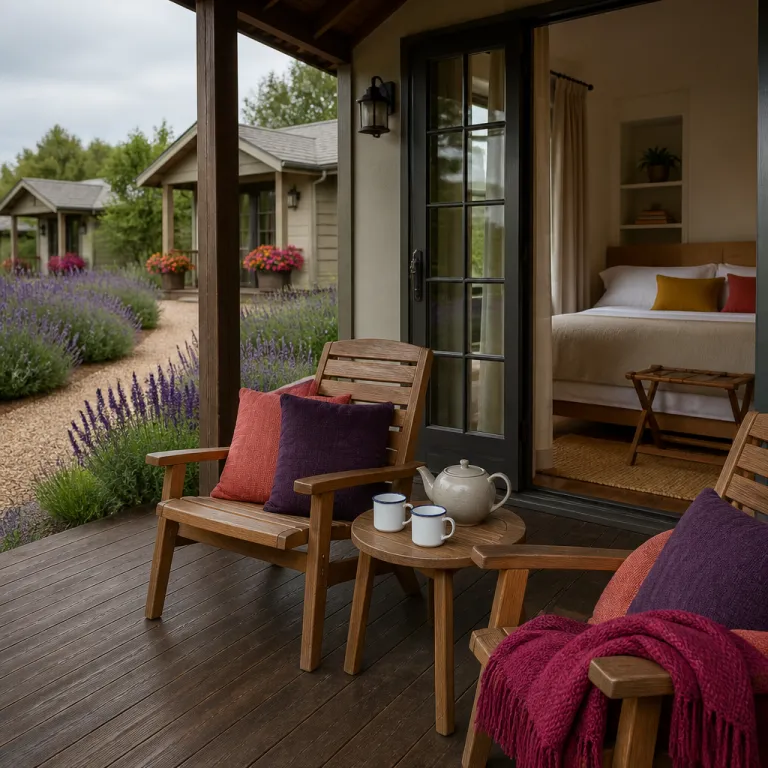
Why slow travel BB extended stay policies start at three nights
Luxury bed and breakfasts are quietly rewriting the rules of the stay. Many of the most thoughtful hosts now set a three night minimum because the property, the kitchen and the local rhythm only work when guests stop treating the visit like a sprint. A one night stopover feels like a transaction, while an extended stay turns the same room into a temporary home where you actually unpack, breathe and use the space as more than a place to sleep.
Owners describe a clear shift once guests commit to staying longer than a single day. Turnover drops, housekeeping teams gain predictable routines and the revenue per booking rises without pushing nightly prices into traditional hotel territory. Internal booking data shared informally by several premium B&Bs in New England and California suggests that three to four night minimum stays can generate significantly more annual revenue than one night policies, and that gap explains why extended stays are becoming the new norm in the premium B&B space.
Behind the numbers sits a philosophy that aligns perfectly with slow travel and extended stay expectations. Hosts want guests who arrive with time to linger over breakfast, to ask questions by phone before traveling and to treat the house as a place to stay rather than a quick crash pad. As one Vermont innkeeper at a long running country B&B puts it, “We can only really host you once you’ve had a second and third morning here.” When stays stretch to weeks or even months, the same stay rooms, suites and shared space can be priced more gently per night, which means a three night stay hotel style booking can cost less than a rushed short term city hotel while delivering far more character.
How the experience deepens after the second day
The first day of any stay is logistics and orientation. You check in, test the high speed Wi-Fi, figure out the coffee maker in the shared kitchen and work out how the breakfast service actually runs. By the second morning of an extended stay, the host has usually learned your names, your preferred room temperature and whether you are traveling as a couple, a family or a solo remote worker who needs quiet space to work.
By day three, something subtler happens in a relaxed extended stay. The host relaxes, the conversation at breakfast stretches longer and the recommendations move from generic lists to doorstep level tips about the trail that starts behind the church or the wine bar that only opens on Thursdays. In places like refined coastal B&Bs in California, where premium Monterey bed and breakfast stays already attract guests who want to stay longer, the three night minimum simply formalises what returning guests were doing anyway and helps stay guests enjoy a calmer rhythm.
For stay guests who book suites or larger stay rooms, the extra time changes how they use the space. A fully equipped kitchenette or shared full kitchens suddenly matter because you can cook once or twice instead of eating out every meal, and laundry facilities on site turn a long weekend into the start of a longer journey. Guests enjoy the sense that this is not just a hotel but a place to stay where work, rest and slow wandering can coexist over several days, with enough room to spread out and feel at home.
Designing B&Bs for digital detox and restorative luxury
Many of the most interesting properties building a slow travel extended stay ethos are quietly editing out distractions. Some limit high speed Wi-Fi to a single lounge, leaving stay rooms blissfully screen free so guests can read, talk or simply sleep without the blue glow of a television. Others keep phones in the room for essential calls but encourage guests to treat the rest of the house as a digital detox zone where time moves more slowly.
This is restorative luxury in practice, where the hotel stay is treated as a healing experience rather than a quick purchase. Recent traveler sentiment surveys from major booking platforms indicate that a growing share of guests now favour destinations that encourage digital detox, and B&B owners are responding with design choices that only make sense over extended stays of several days or more. In New England, for example, premium properties highlighted in guides to refined Massachusetts bed and breakfast stays are adding small libraries, garden pavilions and indoor pool access instead of bigger televisions or in room gadgets that keep guests online.
When you stay longer, these details stop being décor and become part of your daily routine. You might work for a few hours in a quiet shared space, then wander out for a late breakfast before a slow visit to a nearby village. Hosts who commit to an extended stay model often remove hidden additional cost surprises, bundling amenities like site laundry access, use of the coffee maker or full kitchens into the nightly rate so guests enjoy a seamless, calm experience that rewards longer stays rather than short term rushes.
The pricing paradox: why longer B&B stays can cost less
From the outside, a three night minimum can look like a revenue grab. In practice, the economics of an extended stay are more nuanced and often more generous to guests. Every arrival and departure carries a cost in cleaning, laundry, administration and the lost time between stays, so reducing churn lets owners keep nightly rates competitive while still running a sustainable business that can invest in better rooms and shared space.
For travelers comparing a premium stay hotel with a characterful B&B, the numbers can be surprising. Once you factor in a cooked breakfast, access to full kitchens or a fully equipped guest kitchen, on site laundry and the absence of resort style additional cost fees, the per night price of an extended stay often undercuts a comparable hotel. Detailed breakdowns of high end B&B pricing, including case studies shared by innkeeping associations and hospitality consultants, show how minimum stays help owners balance fair pricing with high service levels.
One coastal inn in Monterey, for example, prices a three night stay in a king suite at a slightly lower nightly rate than a single night, yet includes breakfast, parking, use of the indoor pool and site laundry facilities. For guests, the value becomes obvious over weeks or months rather than a single day. A couple on a long weekend might simply enjoy the generous breakfast and the ability to stay longer in the dining room with a second pot of coffee, while a family on an extended stay will appreciate laundry facilities, a pet friendly policy and the chance to cook in full kitchens instead of eating out every night. The paradox is simple: the longer you stay, the more the property can give you without inflating the bill.
How to book a slow travel BB extended stay that actually works
Choosing the right place to stay for an extended stay begins long before you arrive. When you first contact a property, ask directly about minimum stays, whether they welcome short term bookings outside peak periods and how they structure rates for longer visits. A thoughtful host will explain why they prefer guests to stay longer, how breakfast is served and whether amenities like site laundry, high speed Wi-Fi or use of the kitchen carry any additional cost for stay guests.
Look closely at the physical set up if you plan to combine work and leisure. For a productive slow travel extended stay, you need a room or suite with enough space for a laptop, a comfortable chair and reliable lighting, plus access to a fully equipped shared kitchen or private kitchenette for simple meals. If you are traveling with a pet or a family, confirm that the property is genuinely pet friendly, that stay rooms are large enough for everyone and that laundry facilities are available for longer stays of several weeks or months so you can pack light.
Finally, shift your mindset from ticking off sights to inhabiting a place to stay. Ask the host what changes after the second day, whether they offer different recommendations for guests on extended stays and how they help stay guests enjoy the local rhythm. The best properties for a slow travel BB extended stay will talk about walking routes, markets and quiet corners rather than only listing amenities like an indoor pool, a coffee maker in every room or a stay hotel style phone system, because they understand that true luxury lies in time well spent.
FAQ
Why are B&Bs implementing three night minimum stays ?
Many B&Bs are implementing three night minimum stays to enhance guest experience and operational efficiency. Longer stays reduce the number of changeovers, which lowers cleaning and staffing costs while giving hosts more time to focus on personalised service. This approach also attracts guests who value a slower rhythm and are more likely to respect the house and its surroundings over the course of an extended visit.
How do longer stays benefit guests at premium B&Bs ?
Longer stays allow guests to relax fully, unpack and settle into the property and the neighbourhood. After the second day, hosts usually share deeper, more tailored recommendations, from local walks to under the radar restaurants. Guests also gain better value from amenities such as breakfast, shared kitchens, laundry facilities and quiet work spaces when they are used over several days instead of a single night.
Do longer minimum stays increase B&B revenue ?
Longer minimum stays generally increase B&B revenue because they reduce turnover costs and attract more committed guests. With fewer one night bookings, owners can spend less on cleaning and administration while maintaining or even lowering nightly rates. This balance supports sustainable operations and allows investment in higher quality amenities and service, from upgraded suites to improved outdoor space.
How can I tell if a B&B is designed for slow travel ?
A B&B designed for slow travel usually has a clear minimum stay policy, relaxed communal areas and amenities that reward time, such as libraries, gardens or screen free lounges. Hosts often talk about local walks, markets and seasonal food rather than only listing in room gadgets. When you enquire, ask how they support guests staying three nights or more and listen for answers that go beyond simple logistics to describe how guests enjoy the house over several days.
What should I ask before booking an extended stay at a B&B ?
Before booking, ask about minimum stay requirements, what is included in the rate and whether there are any extra charges for amenities like laundry or parking. Clarify Wi-Fi coverage, quiet hours and whether the property is suitable for working remotely if that matters to you. If you are traveling with a partner, family or pet, confirm room size, pet policies and access to kitchens or shared spaces that will make a longer stay comfortable, from full kitchens to safe outdoor areas where everyone can relax.