How to read a “locally sourced BB experience” before you book
On a luxury booking page, the phrase locally sourced BB experience appears everywhere. Some stays in Milwaukee or along a quiet river valley genuinely live this ethos, while others simply sprinkle the words between spa photos and vague promises. When you plan your next trip, the real work is learning to read past the adjectives and into the supply chain behind each supposedly local touch.
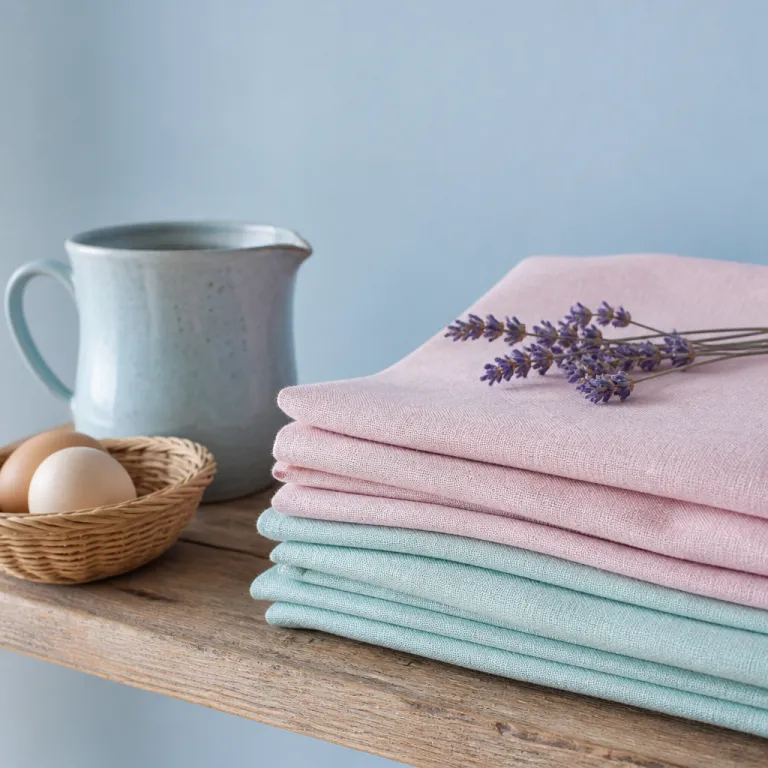
Start with the basics that define a true locally sourced BB experience in practice. The host should be able to explain which farm supplies the eggs for breakfast, which artisans wove the linens, and which nearby restaurants share their philosophy of sourced ingredients and low waste. When you ask about these details during your travel planning, you quickly sense whether the answers are specific or rehearsed, grounded in real regional sourcing or copied from a template.
Look for concrete partnerships that turn a marketing line into lived experiences. A serious property will name local farmers, wineries and cideries, and guides on its website rather than hiding behind generic “producers” language. When you read the main content of a listing, mentally skip main slogans and focus instead on the quiet facts about where food, drink, furniture and amenities actually come from, from the bakery down the street to the ceramics studio in the next village.
Data backs up why this matters for discerning guests. Recent industry research, including Booking.com’s 2023 Sustainable Travel Report and trend briefings from Skift, indicates that a majority of travelers now prioritise local immersion over traditional star ratings, and other surveys report a sharp increase in B&Bs sourcing locally across their operations. Those numbers align with what we see on bnb-stay.com, where the best properties treat local sourcing as a philosophy rather than a breakfast-only gesture, and where hosts talk about named partners instead of abstract “local flavour.”
When you book, ask three precise questions to test any claimed locally sourced BB experience. First, what percentage of your consumables, from food to bathroom products, are genuinely local and how do you define that radius. Second, which named partners — a farm, a roastery, a ceramics studio — could I visit during my stay to see the relationship in action, whether through a casual introduction or a more structured tour.
Third, how does the property keep adventure connected to the community through activities and tours. A thoughtful host will talk about seasonal walks, river or waterfalls excursions, and introductions to neighbours rather than only selling in-house services. This is where a free travel mindset emerges, one that encourages you to enjoy farm visits, markets and cultural events beyond the property gate and to experience a broader farm-to-B&B ecosystem.
Maison Le Chevreuil: when “from the farm table” shapes the whole stay
Maison Le Chevreuil, in Burgundy, offers a quietly radical take on the locally sourced BB experience. This illustrative property’s TERRE concept is built around open flame cooking that uses almost exclusively regional produce, turning every breakfast and dinner into a dining experience that feels rooted rather than themed. You sit at a long farm table while the host explains which true farm supplied the vegetables and which hillside vineyard produced the bottle in your glass, sometimes quoting growers by name.
The kitchen is only the beginning of this layered experience. A curated wine cave honours local vignerons, and tastings highlight not just the tasting notes but the relationships behind each label. Guests can arrange private tours that link these wineries and cideries with nearby cheesemakers and charcuterie producers, creating a chain of visits that feels like an experience read in real time rather than a packaged excursion, a kind of slow-travel tasting menu of the region.
Upstairs, the TERRE philosophy extends beyond food and drink into textiles and design. Slowhome interiors mean regional stone, reclaimed timber and linens woven by artisans from nearby villages, so the locally sourced BB experience follows you from the table to the linen cupboard. Even bathroom products are chosen from small batch makers in the region, with the host able to name each supplier as easily as they recite the breakfast menu, turning every soap and candle into a small story.
For solo travelers used to anonymous hotels, this level of specificity can be quietly transformative. You enjoy farm fresh eggs in the morning, then later see the same chickens scratching in a courtyard during a farm visit arranged by the B&B. That loop between plate, place and people is what separates a marketing claim of locally sourced from a verifiable network of local actors, and one guest described it as “like staying inside a living map of the valley.”
Maison Le Chevreuil also treats activities as an extension of its farm table ethos. Guests can join foraging walks, pottery workshops or river valley hikes that end with simple meals cooked over embers, all guided by local experts rather than imported staff. For a different but equally curated lens on wine country, compare this approach with the refined comfort of a Napa bed and breakfast in the dedicated luxury guide on premium Napa B&B stays.
When you evaluate any property claiming a locally sourced BB experience, use Maison Le Chevreuil as a benchmark. Ask whether the sourcing philosophy touches architecture, linens and amenities, or whether it stops at a single chalkboard menu. The more your host can map each element of your stay back to a named farm, maker or neighbour, the more confident you can feel that your booking supports a real community ecosystem and not just a decorative farm-to-table slogan.
Beyond breakfast: linens, bathroom products and furniture that stay local
Too many properties treat local sourcing as a story that ends once breakfast is cleared away. A genuinely locally sourced BB experience continues into the bedroom, the bathroom and even the quiet corners where you sit to read. When you walk into a thoughtfully curated room, you should sense the region in the weave of the sheets and the scent of the soap, not just on the breakfast table or in a single welcome basket.
Start with linens, which are often the most tactile part of any stay. Some of the best B&Bs now commission small ateliers to produce bedding and towels, sometimes using regional fibres or natural dyes that echo the surrounding landscape. When you ask about the origin of your sheets and the host can name a local artisan rather than a global brand, you are experiencing another layer of the locally sourced BB experience, a kind of artisan-made comfort that deepens the sense of place.
Bathroom products tell a similar story. Look for labels from nearby soap makers, apothecaries or perfumers, ideally using farm fresh botanicals and sourced ingredients that reflect the climate and terroir. A host committed to this approach will often offer refills rather than single use plastics, aligning sustainability with a sense of place rather than treating them as separate activities, and may even explain which herb garden or beekeeper supplied the key ingredients.
Furniture and artwork can be even more revealing than food. In some of the most characterful properties, every table, chair and ceramic mug has a provenance that ties back to a workshop in the next village or a studio in the downtown arts district. When you enjoy farm inspired ceramics at breakfast and later see similar pieces in a local gallery, the locally sourced BB experience becomes a continuous narrative rather than a single moment, a kind of living showroom for regional craft.
For travelers comparing options across regions, this is where careful research pays off. On bnb-stay.com, our curated guides highlight stays where local sourcing shapes the entire guest journey, from the mattress you sleep on to the candle on your nightstand. If you are considering a New England escape, the overview of premium Massachusetts bed and breakfast stays is a useful reference for how properties can weave regional craft into every room.
When you book, do not hesitate to ask very specific questions about these details. Ask whether the bathroom amenities come from a nearby maker, whether the artwork is for sale to support local artists, and whether the furniture was built by a regional carpenter. The more precise your questions, the easier it becomes to separate a marketing phrase from a truly embedded locally sourced BB experience and to choose stays that practice genuine farm-to-B&B hospitality.
Farm stays and regenerative models: the true farm to table benchmark
Farm stay accommodations represent the purest expression of a locally sourced BB experience. Properties like the often-cited Agaporia in Tuscany, set on roughly 178 acres of regenerative farmland, are frequently referenced by slow travel writers as examples of what happens when the farm table is not a metaphor but a daily reality. Here, plant forward cuisine is grown, harvested and cooked within walking distance of your room, and the line between guest and landscape softens with every meal.
On a stay like this, breakfast becomes a masterclass in short supply chains. You might start the day with bread baked from heritage grains grown on site, eggs from the farm’s own hens and honey from hives you passed on your way to the dining room. Lunch and dinner continue the story, with sourced ingredients that change weekly according to what the soil and weather allow, rather than what a distributor happens to deliver, making every menu a snapshot of the farm’s current rhythm.
Activities are designed to keep adventure grounded in the rhythms of the land. Guests can join guided walks through orchards and vineyards, help with light seasonal tasks or follow the path of water from hillside springs to small waterfalls that irrigate the fields. These experiences turn the locally sourced BB experience into something you feel under your boots and on your skin, not just on your palate, and they make regenerative agriculture part of the guest story.
For solo travelers, farm stays also offer a rare kind of social connection. Shared tables encourage conversation, and hosts often sit down to explain how regenerative practices reduce the property’s carbon footprint while supporting neighbouring farms and artisans. When a host can answer detailed questions about soil health, seed selection and community partnerships, you know that “local” is more than a label and that the farm-to-B&B model is central rather than decorative.
Seasonality shapes the mood of each visit. In summer and fall, tastings might focus on tomatoes, stone fruit and new olive oil, while winter plates lean into preserved vegetables, grains and hearty greens. Across these shifts, the constant is a commitment to a locally sourced BB experience that respects both ecological limits and culinary pleasure, proving that comfort and constraint can coexist.
If you are used to city breaks in places like Milwaukee or other riverfront hubs, a farm stay can recalibrate what you expect from hospitality. After a few days of walking between fields and kitchen, you may find yourself asking sharper questions about sourcing when you return to more conventional B&Bs. That curiosity is the quiet legacy of a true farm to table stay and often leads travelers to seek out more regenerative, community-rooted options.
Urban immersion: from Milwaukee riverside walks to downtown tastings
Local sourcing is not confined to rural idylls or hillside farms. In cities like Milwaukee, a sophisticated locally sourced BB experience can unfold between a river promenade, a downtown arts district and a cluster of independent restaurants. The key is how well your host curates the city’s producers, markets and makers into your stay, turning an ordinary weekend into an urban farm-to-B&B adventure.
A strong urban B&B will treat the neighbourhood as an extended living room. Breakfast might feature bread from a nearby bakery, cheese from a regional creamery and coffee roasted within a few kilometres, all served at a communal table where the host shares daily suggestions. From there, you might be pointed toward a farm table lunch at a bistro that works directly with peri urban farms, or to food and drink tastings in converted warehouses along the river.
Thoughtful hosts also design activities that keep adventure close to the ground. They might map out walking tours that link small galleries, markets and pocket parks, or arrange guided visits to urban wineries and cideries that are experimenting with local fruit. In summer and fall, some even coordinate day trips to nearby waterfalls or orchards, so your city break includes at least one farm moment beyond the skyline and a deeper sense of the region’s food shed.
For solo travelers, this kind of locally sourced BB experience turns a standard city trip into a sequence of layered experiences. You might start with a morning market visit, continue with an afternoon ceramics workshop and end with a chef’s counter dinner that highlights sourced ingredients from the same stalls you visited earlier. Each step reinforces the sense that your travel budget is circulating through a network of small businesses rather than disappearing into anonymous supply chains.
When comparing urban options, pay attention to how concretely a property talks about its partners. Listings that simply mention “great restaurants nearby” are less compelling than those that name specific bakeries, roasters, farmers and artisans, and explain how they collaborate. This level of detail is a reliable indicator that the locally sourced BB experience extends beyond the property walls and that the host is actively curating an urban terroir.
If you are drawn to water and quiet, consider pairing a city stay with a lakeside escape. Our guide to elegant lakeside B&B stays shows how waterfront properties can combine local sourcing with contemplative settings. Moving between an urban B&B in Milwaukee and a rural or lakeside retreat can give you a fuller sense of how different regions interpret the same commitment to locality.
Questions to ask: separating marketing from meaningful local partnerships
Once you start looking closely, you will notice how elastic the phrase locally sourced BB experience has become. Some properties use it to describe a single jar of regional jam, while others apply it to a carefully mapped network of farmers, artisans and guides. Your job as a traveler is to ask the kinds of questions that reveal which is which and to distinguish genuine regional sourcing from decorative buzzwords.
Begin with definitions, because clarity here is everything. Ask the host what “local” means in their context, whether that is a 30 kilometre radius, a specific valley or a broader region tied together by shared markets. Then ask what percentage of their consumables — from breakfast ingredients to cleaning products and bathroom amenities — fall within that definition, and how they track those numbers over time to keep the farm-to-B&B promise honest.
Next, explore the breadth of their partnerships. A robust locally sourced BB experience usually involves local farmers, artisan cooperatives and community markets, not just a single supplier. You might ask which farm supplies their eggs, which roastery handles their coffee, and whether guests can visit any of these partners during their stay through informal introductions or structured tours, turning a simple breakfast into a doorway to the wider community.
Do not overlook non food elements, because they often reveal deeper commitments. Ask whether linens, furniture and artwork are sourced from nearby makers, and whether the property has ever switched suppliers to support more sustainable or community focused options. These questions help you understand whether local sourcing is a one time decision or an ongoing practice that evolves with the region and responds to guest feedback.
Transparency is another crucial marker of trust. Hosts who are serious about a locally sourced BB experience will usually share supplier lists, seasonal produce calendars or even short stories about their partners in pre arrival emails or in room guides. As one industry FAQ from hospitality associations puts it, “What does 'locally sourced' mean in a B&B? It refers to using products from nearby suppliers to support the local economy and offer authentic experiences,” a definition that echoes what many sustainability standards now recommend.
Finally, pay attention to how a property talks about guest experiences beyond the breakfast table. Ask about workshops, tastings, walks and other activities that connect you to the region’s people and landscapes, from river paths to small waterfalls and hillside farms. When a host answers these questions with enthusiasm and specificity, you can feel confident that your booking supports a genuinely embedded, thoughtfully designed locally sourced BB experience.
Key figures shaping locally sourced B&B stays
- According to a recent Travel Industry Report and supporting data from Booking.com’s Sustainable Travel Report, around 72 % of travelers now actively seek local experiences when they book accommodation, signalling a clear shift away from purely amenity driven choices and toward more immersive, place-based stays.
- Hospitality Trends research and similar market analyses report roughly a 35 % increase in B&Bs sourcing locally across their operations, from food to textiles, over the past few seasons, reflecting both guest demand and community pressure for more transparent supply chains.
- Internal market analysis for the bed and breakfast sector, echoed by surveys from regional tourism boards, shows that more than half of recent guests say local immersion now outweighs traditional star classification when choosing where to stay, especially among younger and solo travelers.
- Properties that integrate local suppliers into at least three aspects of the guest journey — food, amenities and activities — consistently report higher repeat visit rates and stronger word of mouth referrals, suggesting that a well designed locally sourced BB experience is also a sound business strategy.
FAQ: locally sourced products at B&Bs
What does “locally sourced” mean in a B&B context ?
In a B&B, locally sourced generally means that food, amenities and sometimes furnishings come from suppliers within a defined nearby radius, often the same region or valley. This can include farms, markets, artisans and small manufacturers that the host knows personally. The goal is to support the local economy while offering guests an authentic sense of place and a more transparent, traceable stay.
Why do B&Bs choose to use locally sourced products ?
Many B&Bs use locally sourced products to provide fresher cuisine, reduce transport related emissions and strengthen ties with neighbouring businesses. Hosts often find that guests value the stories behind each ingredient or object as much as the item itself. This approach can increase guest satisfaction and loyalty while keeping more revenue within the community and reinforcing a distinctive regional identity.
How can I find B&Bs that genuinely use local suppliers ?
The most reliable way is to look for specific names of farms, markets and artisans on the property’s website or booking page. When in doubt, email the host and ask which local partners they work with for breakfast ingredients, bathroom products and activities. Clear, detailed answers are a strong sign that the locally sourced BB experience is real rather than decorative, and that the host has invested in long term relationships.
Does local sourcing at a B&B only apply to food ?
No, serious local sourcing extends well beyond the breakfast table. Many leading B&Bs now use regionally made linens, furniture, ceramics and bath products, and they often showcase local artwork on their walls. When these elements are combined with food and experiences, the result is a more immersive and sustainable stay that feels rooted in a particular landscape and culture.
Are locally sourced B&Bs always more expensive to book ?
Not necessarily, although some high end properties do charge a premium for small scale, carefully sourced offerings. In many regions, working directly with nearby producers can actually stabilise costs and reduce waste. The key is to look at overall value — the quality of ingredients, the depth of experiences and the impact on the local community — rather than price alone, and to decide how much you want your stay to contribute to regional sourcing efforts.