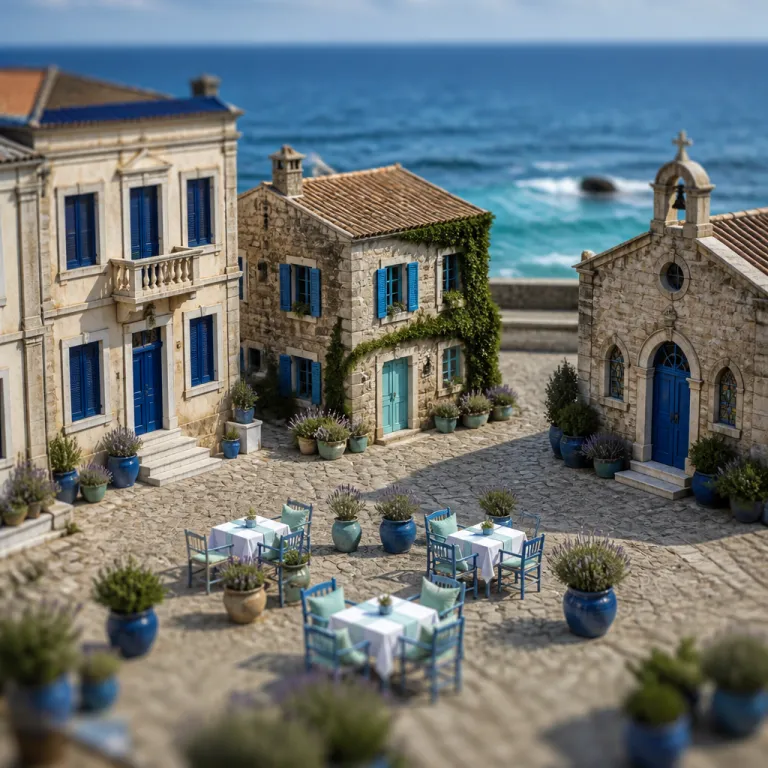
What travelers really want from a heritage building BB conversion
A successful heritage building BB conversion starts with one simple promise to guests. They will feel the history of the building in every corridor while still sleeping well, showering comfortably and streaming a film without cursing the Wi-Fi. The best hosts understand that your time away is precious, so they edit the story carefully and move forward from nostalgia toward genuine comfort.
Think of a former residential palazzo where the grand staircase and original stone floor remain, but the plumbing and insulation are quietly the latest available. A few decades ago many conversions treated history as costume, yet today the most interesting properties work with conservation architects who view each room as both structure and stage. You are not just booking a bed ; you are joining a small group of travelers invited to share the building’s next chapter.
Guests consistently say they want character and narrative, not a museum or an office corridor with antique prints. A thoughtful heritage building BB conversion will keep the patina of age on beams and doors, then layer in color, textiles and lighting that feel calm rather than theatrical. When this balance is right, half the pleasure of the stay comes from simply sitting still, watching how morning light moves across old stone and how the house seems to breathe with time.
From palazzo to private retreat: when grand buildings become intimate stays
Large urban palazzi and civic buildings were never designed as small residential sanctuaries, yet they convert beautifully when handled with restraint. A strong heritage building BB conversion respects the original hierarchy of rooms, keeping the piano nobile as a top gathering space while tucking quiet suites on upper floors where the city noise falls away. The aim is to move forward from public monument to private refuge without losing the sense of occasion when you cross the threshold.
La Réserve Firenze, set in a 15th century palazzo near Florence’s historic centre, shows how this can work at an intimate scale. Instead of slicing the building into anonymous hotel rooms, the owners created six private apartments that read more like a cultivated friend’s home than an office block in disguise. For travelers who care about design openings and adaptive reuse, it sits in the same conversation as the restored convent featured in our guide to Florence’s most watched heritage conversions.
In these palazzi, the drama comes from volume and view rather than decoration piled floor to ceiling. A good host will walk you through the building’s story at check in, then step back and let you inhabit the space on your own terms. Over breakfast you might share a long table with a small group of guests, half of them discussing art, the other half trading tips on where to find the best gelato within a ten minute walk.
Rural conversions: the farmhouse, the hamlet and the work of comfort
Out in the countryside, the heritage building BB conversion looks different yet follows the same principles. Old farmhouses, mills and chapels were built as working structures, often with animals on the ground floor and families above, so the challenge is to keep that honest architecture while softening the edges for modern couples. You want to feel the thickness of the walls and the grain of the beams, not the draught under the door at three in the morning.
Chapter Chianti in Tuscany takes this rural logic and scales it up to an entire medieval village. Instead of freezing the hamlet in time, designer Tristan Du Plessis leans into urban lifestyle cues ; there is a considered color palette, contemporary furniture and a social rhythm that feels more like a small design hotel than a sleepy borgo. It is a reminder that a heritage building BB conversion can be both historically grounded and forward looking, especially when a creative team treats the village as one coherent structure rather than a scatter of rooms.
Elsewhere, former chapels and barns become quietly luxurious when owners resist the urge to over restore. The most successful hosts keep half of the original details visible and let the rest recede, so your eye can move forward naturally from stone arch to linen headboard to the view beyond. When you book through a curated platform, look for photography that shows how the building works in plan, not just styled corners ; it is the clearest sign that comfort has been considered as carefully as heritage.
Modern comfort in old walls: plumbing, sound and digital life
The romance of a centuries old structure fades quickly if the shower trickles or every footstep from the floor above keeps you awake. Any serious heritage building BB conversion treats infrastructure as the invisible luxury, from pressure balanced plumbing to discreet soundproofing in timber ceilings and stone vaults. Guests rarely post about pipework on social media, yet they remember the stay where everything simply worked.
Thick masonry can be a blessing for acoustics but a challenge for Wi Fi, so attentive owners plan the digital layer as carefully as the physical one. They will often bring in a specialist group to map signal strength room by room, then hide routers in joinery or behind artwork so the view remains uncluttered. If you work remotely or just like to stream films in the evening, do not hesitate to ask in advance how the connection performs in both shared spaces and private suites.
For sleep quality, the best properties treat beds, mattresses and blackout as non negotiable, especially when the building sits on a lively street or a village square. Our guide to sleep focused B&B design explains why acoustics and light control matter as much as thread count. When you read reviews, pay close attention to comments about noise, water pressure and temperature control ; these are the quiet indicators that a heritage building BB conversion has moved forward from romantic idea to genuinely restful reality.
Architecture versus decoration: how to read a heritage stay before you book
Not every old looking property is a true heritage building BB conversion, and learning to read the difference will save you disappointment. A building with real history wears its age in the bones ; you see it in the structure of staircases, the proportion of windows, the way rooms interlock rather than line up like an office corridor. A place merely decorated with history tends to rely on props, with generic antiques and sepia photos doing the work that the architecture should already be doing.
Before you commit your time and budget, study the photography and floor plans with a critical eye. Look for images that show junctions where old and new meet, such as a contemporary bathroom inserted into a stone tower or a clean lined kitchenette set against a frescoed wall, because these reveal how the conversion has been handled. Properties that only share close ups of cushions and coffee cups may be hiding awkward layouts, low ceilings or a lack of natural light.
Industry data shows there are around 10 000 heritage focused B&Bs worldwide with an average occupancy rate near seventy five percent, which means you have real choice. “What defines a heritage B&B?” and “Do heritage B&Bs offer modern amenities?” are not abstract questions ; they are the filters you should apply every time you browse a new listing. When you see clear answers such as “A bed and breakfast operating in a restored historic building.” and “Many blend historical charm with modern comforts.” you can be confident that the owners understand both the romance and the responsibility of welcoming guests into an old house.
FAQ
What defines a heritage B&B compared with a regular guesthouse ?
A heritage B&B operates in a restored historic building where the original architecture still shapes the experience. You should notice period elements such as beams, staircases or stonework, not just vintage style decoration. The best examples combine this sense of place with modern bathrooms, reliable heating and thoughtful soundproofing.
Are heritage building BB conversions more expensive than standard B&Bs ?
Prices for a heritage building BB conversion vary widely, but many sit at a premium because restoration and maintenance costs are higher. You are paying for both the location and the work required to bring an old structure up to modern comfort levels. For couples who value atmosphere and narrative, that extra cost often feels justified compared with a newer, more anonymous building.
How can I tell if a heritage property will be comfortable before I book ?
Read recent reviews carefully for mentions of water pressure, heating, cooling and noise between rooms or floors. Check photos for signs of updated bathrooms, quality mattresses and well fitted windows, which indicate that the owners invested beyond surface decoration. If you plan to work during your stay, ask directly about Wi Fi coverage in both bedrooms and shared spaces.
Do heritage B&Bs usually offer modern amenities such as Wi Fi and air conditioning ?
Many heritage B&Bs now blend historical charm with modern comforts, including strong Wi Fi, climate control and high quality bedding. In very old stone buildings, full air conditioning may be restricted by conservation rules, but good insulation and ceiling fans can still keep rooms comfortable. When in doubt, contact the host and request specific details about the amenities that matter most to you.
Why are heritage B&Bs so popular with couples seeking romantic getaways ?
Couples often choose heritage B&Bs because the architecture itself creates a sense of occasion, from vaulted ceilings to views over courtyards or countryside. These properties tend to be small, so hosts can offer personalised recommendations and quiet corners rather than crowded lobbies. When a heritage building BB conversion is done well, it feels like stepping into a story together, without sacrificing the long shower, the good mattress and the slow breakfast that define a romantic stay.