Reading the story behind the “sustainable” label
Walk into a premium bed and breakfast and you will see the word sustainable everywhere. On the welcome card, on the bathroom cream, even on the breakfast menu, the language of sustainable beauty and environmental care now feels as common as free Wi‑Fi. Your task as a guest is to read past the marketing color and find the real ingredients of sustainability hiding in plain sight.
Start with the basics of environmental responsibility, because a genuinely sustainable B&B treats energy, water and waste as seriously as design. Ask how much of the property’s power comes from renewable sources and whether they track carbon emissions over time, since energy accounts for most of a typical lodging footprint. For example, the International Tourism Partnership has estimated that energy use can represent 50–60% of a hotel’s operational carbon emissions, so any serious host should know their numbers and main reduction strategies. When owners can explain their long term sustainability plan in clear, specific terms, you are usually looking at more than a surface level eco friendly label.
Look at the governance behind the promises, not just the pretty products on the shelf. Many luxury B&Bs now publish a short sustainability statement that covers environmental, social and governance priorities in one page. If that document includes measurable goals, timelines and named partners such as environmental organizations or tourism boards, you are seeing real accountability rather than vague environmental social language. Credible programs like Green Key and EU Ecolabel also require documented policies on staff training, purchasing and guest communication, which gives you another way to check whether the story on the website matches what happens day to day.
Energy, water and materials: what to check before you book
Before you commit your family’s vacation time and budget, use this sustainable B&B checklist as a quiet guide. Scan the property website for evidence of solar panels, geothermal systems or at least modern LED lighting, because these are among the best upgrades for cutting carbon emissions without sacrificing comfort. Studies on hotel retrofits suggest that switching from older bulbs to LEDs alone can reduce lighting electricity use by 60–80%, while well designed heat pumps can cut heating energy by 30–50% compared with conventional boilers. When a host can tell you exactly how much energy they save and how that affects room rates, you know sustainability and governance are part of daily operations rather than a side project.
Water is harder to see, yet it shapes the environmental impact of every shower and load of laundry. Ask whether the B&B uses low flow fixtures, rainwater harvesting or greywater recycling, and whether those systems are maintained over the long term rather than installed once and forgotten. The U.S. Environmental Protection Agency notes that WaterSense‑labelled showerheads can reduce water use by about 20% while maintaining good pressure, which gives you a benchmark when you talk to hosts. Properties that explain how they balance guest comfort with environmental responsibility usually also think carefully about healthy cleaning products and fragrance free laundry detergents that are kinder to skin and waterways.
Materials tell another chapter of the story, especially in high design city B&Bs in places like London. When you read an in depth guide to refined bed and breakfast stays in London, notice how the best addresses now use reclaimed wood, recycled textiles and even experimental materials such as mycelium acoustic panels or algae based bioplastics. These choices are not just eco conscious gestures; they change the feel of the room, from the warmth of the floor under bare feet to the way sound is softened for a better night’s sleep. Designers interviewed in hospitality trend reports often describe this as “sensual sustainability”, where natural finishes, organic fabrics and low VOC paints improve both wellbeing and environmental performance.
Beyond the linen card: real environmental responsibility in daily operations
The old linen card that asked you to reuse towels was never the full story of a sustainable stay. True environmental responsibility in a B&B shows up in the laundry room, the kitchen and the waste sorting area, not only on the bathroom door. When you follow this sustainable B&B guide, you start to notice whether the property has invested in efficient machines, plant based detergents and clear systems for separating recycling and compost.
Food is where sustainability becomes tangible for most families, especially at breakfast. Ask how often the menu changes with the seasons, whether eggs and dairy come from nearby farms and how the kitchen handles food waste at the end of service. The Booking.com Sustainable Travel Report notes that a large majority of global travelers say they want more sustainable food and beverage options, and many specifically mention local sourcing as a priority. In historic destinations such as Salem, a thoughtful host might point you to a farmers’ market after serving a locally sourced breakfast, and a detailed article on the best bed and breakfast stays in Salem for a historic getaway will often highlight this kind of supply chain transparency.
Certifications can help you sort signal from noise, but only when you know which labels matter. Programs such as Green Key or EU Ecolabel require evidence of energy efficiency, water savings and waste reduction, while some generic green leaf icons are little more than marketing makeup. Green Key, for instance, assesses criteria across management, staff involvement, guest information, washing and cleaning, food and beverage and open‑air facilities, while EU Ecolabel for tourist accommodation includes minimum thresholds for energy performance, water flow rates and waste sorting. When a B&B explains why it chose a particular certification and how that process improved its governance and social environmental practices, you can trust that sustainability is woven into the product rather than applied like a thin layer of color.
Rooms, bathrooms and amenities: how sustainable choices feel on your skin
Once you arrive, your room becomes the most intimate test of this sustainable B&B guide. Pay attention to the air quality, the natural light and the quiet, because these are often the first signs that energy efficient design and eco friendly materials have been used well. A room that feels calm, with good insulation and thoughtful ventilation, usually reflects long term investment rather than short term cost cutting.
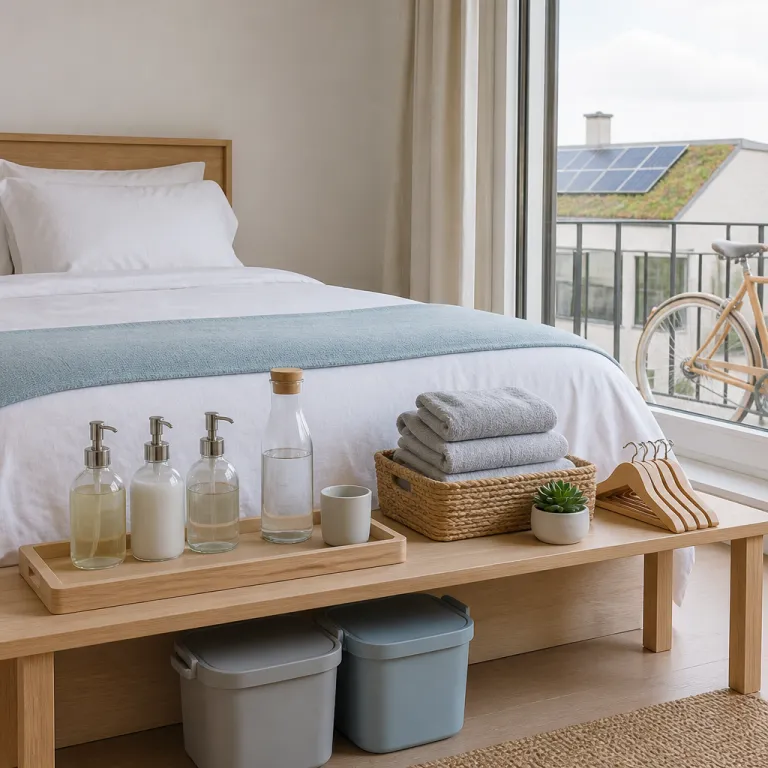
Bathroom amenities are where the language of the beauty industry meets hospitality, and they deserve a closer look. Many luxury B&Bs now offer refillable dispensers of shampoo, conditioner and body cream instead of single use miniatures, which immediately reduces plastic waste and carbon emissions from packaging. Industry case studies on hotel amenity programs suggest that switching from miniatures to bulk dispensers can cut plastic use by 60–80% per occupied room each year. Read the label to see whether the products are plant based, cruelty free, vegan cruelty free and fragrance free, and whether they avoid controversial ingredients such as palm oil in favor of more sustainable beauty formulations.
For families, skin sensitivity and skin tone inclusivity matter as much as environmental claims. A genuinely healthy amenity line will work for different skin types, avoid harsh ingredients and offer neutral color palettes that do not stain towels or sheets. When a host can explain why they chose a particular product range, how it aligns with their environmental social commitments and how often they review those products over time, you are seeing sustainability treated with the same care as any other premium service.
Food, community and social governance: sustainability beyond the room
Sustainability in a B&B is never just about the building; it is also about people. Social governance shows up in how staff are treated, how local suppliers are chosen and how the property fits into its neighborhood. When owners talk openly about fair wages, long term partnerships with farmers and artisans, and support for community projects, you are seeing environmental and social responsibility working together.
Breakfast is the daily stage where these values become visible to guests. Look for seasonal menus that change with local harvests, clear information about where key ingredients come from and options for guests with dietary needs such as plant based or dairy free choices. A host who can tell you which bakery makes the bread, which orchard supplies the fruit and how leftovers are composted is usually running one of the best sustainable operations in town. Surveys by platforms such as Ecobnb and Booking.com indicate that travelers who care about sustainability consistently rank local food, reduced waste and transparent sourcing among their top decision factors when choosing accommodation.
In art driven destinations such as Saugatuck on Michigan’s lakeshore, some of the most characterful B&Bs now treat sustainability as part of their cultural identity. When you read about elegant bed and breakfast stays on the local art coast, notice how the strongest properties link eco conscious design with support for local galleries, makers and food producers. This blend of environmental responsibility and community engagement turns a simple overnight stay into a richer, more grounded travel experience for families.
How to use this sustainable BB guide when comparing properties
Most guests now arrive with a list of frequently asked questions about sustainability, even if they never say them out loud. This sustainable B&B guide turns those asked questions into a practical sequence you can use every time you compare properties online. Start with energy and water, move to materials and amenities, then finish with food, community and governance, because that order mirrors the real environmental footprint of your stay.
When you read a listing, treat sustainability claims the way you would treat a description of a beauty product. Look for specific ingredients such as solar panels, rainwater systems, plant based amenities and clear certifications, rather than vague words like eco friendly or green. If a B&B can show how these elements work together over time, with measurable reductions in carbon emissions and clear benefits for guests, you are likely seeing a genuinely sustainable product rather than marketing makeup.
Do not hesitate to email or call with a short, polite checklist, because serious owners welcome informed questions. You might ask how they handle waste, whether their amenities are cruelty free and vegan cruelty free, how they choose suppliers and whether they publish any sustainability data or reports. A simple email template could include questions such as: “What share of your electricity comes from renewable sources?”, “Do you use low flow fixtures or other water saving systems?”, “How do you manage recycling and food waste?”, “Are your bathroom products plant based and suitable for sensitive skin?”, “How much of your breakfast menu is locally sourced?” and “Do you hold any certifications such as Green Key or EU Ecolabel, or follow similar standards?”. The most committed hosts answer quickly, share concrete examples and sometimes even invite you to see behind the scenes, which turns a simple booking into a shared project in sustainable development.
Certifications, transparency and the limits of “green” marketing
Certifications are helpful, but they are not the only way to judge a B&B’s environmental responsibility. Some small, rural properties follow best sustainable practices in energy, water and waste yet cannot afford formal labels, while others pay for a logo without changing much behind the scenes. Your role as a guest is to combine what the label says with what you can observe and what the host can explain.
Use this sustainable B&B guide to decode the language around sustainability on booking platforms and property websites. When you see claims about sustainable beauty products, eco conscious design and social environmental impact, look for supporting details such as partnerships with environmental organizations, staff training and transparent communication about goals. A short, clear section on environmental social governance that mentions both successes and challenges is far more trustworthy than a page of generic green promises.
Remember that sustainability is a long term journey rather than a fixed status, especially for independent B&Bs. Owners who talk about what they still need to improve, whether that is switching to fully plant based amenities or further cutting carbon emissions from heating, are usually the ones taking sustainable development seriously. As a guest, your choices and your questions help reward that honesty and push the wider hospitality industry toward deeper, more meaningful change.
Key sustainability figures for B&B guests
- Recent Booking.com research on sustainable travel reports that a large majority of global travelers say they want more sustainable choices when they travel, with the 2023 Sustainable Travel Report noting that around three quarters of respondents intend to choose more eco conscious options in the coming year (Booking.com Sustainable Travel Report).
- Industry analyses of lodging energy trends indicate that energy use typically represents a significant share of a hotel or B&B’s carbon footprint and utility costs, so upgrades such as solar panels, heat pumps and LED lighting usually deliver the largest environmental gains per dollar invested (International Tourism Partnership Hotel Global Decarbonisation Report and similar energy efficiency studies).
- Surveys among travelers interested in sustainable stays suggest that most guests now actively look for signs of eco friendly practices such as energy efficiency, local sourcing and credible eco certifications when choosing accommodation (Ecobnb traveler surveys and other sustainable travel insights).
- Designers working on next generation hospitality projects report a growing shift toward “sensual sustainability”, using natural woods, recycled textiles and organic materials that improve acoustics and comfort while also reducing environmental impact (hospitality design trend reports and case studies).
Frequently asked questions about sustainable B&Bs
What certifications indicate a sustainable B&B?
Certifications like Green Key or EU Ecolabel.
How can I assess a B&B's sustainability?
Look for energy-efficient practices and local sourcing.
Which questions should I ask a host before booking?
Ask about renewable energy use, water saving systems, waste management and whether amenities are plant based, cruelty free and suitable for sensitive skin. You can also request details on local sourcing for food and any partnerships with environmental organizations or community projects.
Are small independent B&Bs able to be as sustainable as larger hotels?
Many small B&Bs can be highly sustainable because owners control every product and process, from laundry to breakfast ingredients. While they may lack formal certifications, they often excel in local sourcing, low carbon operations and personalized communication about their environmental and social practices.
Does choosing a sustainable B&B mean compromising on comfort or luxury?
A well run sustainable B&B usually enhances comfort by improving air quality, acoustics and materials, while offering high quality plant based amenities and thoughtful design. The most advanced properties show that environmental responsibility, refined aesthetics and family friendly service can coexist in the same stay.