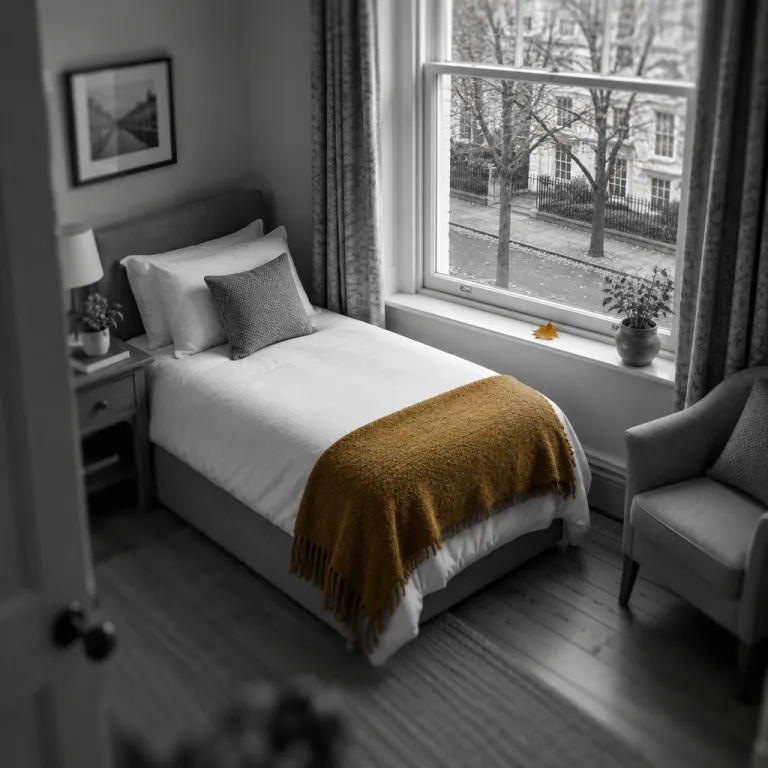
Why solo travel BB October shoulder season changes the stay
Travelling alone in the October shoulder season quietly reshapes the entire dynamic of a B&B stay. When the summer-season couples have gone home and the peak tourist rush has eased, hosts in a luxury bed and breakfast finally have time to look up from the booking screen and look properly at you. This is the moment in the year when a single traveller stops being an afterthought and starts being the guest who gets the best room, the longer conversation and the flexible check-out time.
In many European regions, average temperatures in October sit in that rare band of pleasant weather where you can explore a city on foot all day and still stay warm on a terrace at night. According to VisitScotland, for example, Edinburgh’s mean October temperature hovers around 10°C (50°F), while Bruges tourism data shows daytime highs of 14–15°C (57–59°F), ideal for walking tours and café-hopping. That makes solo travel in October one of the best times to visit walkable towns like Bruges, Bath or Porto, where popular attractions are open but the queues have thinned and the museum guards are relaxed enough to chat. You feel the shift in the breakfast room too, where a table that in summer was a couples tableau becomes a place for one or two solo guests to compare notes on which island ferry to take or which vineyard to visit.
Because the tourist season is easing, hosts can offer more generous upgrades and often quietly waive the single supplement, especially when you book direct and pay by credit card rather than through a third party. Many owners will tell you that September–October is their favourite travel window, because guests linger over coffee and ask about local outdoor activities instead of racing off to tick every museum in the guidebook. One Edinburgh B&B owner, Fiona MacLeod of a small New Town townhouse, summed it up simply: “In October, I finally have time to be a host, not just a receptionist.” For the solo explorer, that slower rhythm turns a simple trip into a year-round habit, where October becomes the month you always return to the same house, the same city and the same breakfast table.
Rooms, rates and the single supplement in a quieter season
Pricing works differently in the October shoulder season, and understanding that helps you save money without feeling like a bargain hunter. When the hot weather fades and the summer crowds thin, many high-end bed and breakfasts quietly relax rigid policies that apply in the peak tourist weeks. The same room that required a two-night minimum in high summer might be available for a single night in October, and the host may offer you the best room in the house simply because it would otherwise sit empty.
For a solo guest, the single supplement question is less brutal in this quieter period because owners are balancing occupancy across the whole year, not just chasing holiday-season weekends. Ask directly whether the rate can reflect solo occupancy during the October month, especially if you are flexible on which day you arrive or what time you check in. Many hosts will reduce the nightly price, include breakfast or offer late checkout, particularly when the weather forecast suggests a run of pleasant days rather than stormy winter rain.
Luxury properties that take sustainability seriously are also rethinking how they price solo stays in relation to energy use, laundry and food waste as climate change drives more extreme hot weather and unpredictable seasons. Some of the most forward-looking owners are redesigning the stay around rising temperatures and insulation, a shift explored in depth in our guide to the B&B in heatwave season. For you as a solo traveller, that can mean better glazing, quieter heating systems and thoughtful touches like wool throws instead of blasting the radiators, all of which make it a great time to read in your room while the city outside moves at a slower, more local pace.
Safety, sociability and sustainable choices for the solo guest
One of the quiet luxuries of travelling alone in October is how clearly a good host can read what you need. With fewer arrivals each day and more time between check-ins, owners can notice whether you want conversation at the breakfast table or prefer to plan your trip in silence with a map and a strong coffee. That sensitivity matters even more when you arrive after dark in an unfamiliar city and need someone to walk you through which streets feel safe at night and which shortcut to avoid.
October is often the best time to visit wine regions, rural valleys and coastal towns where the summer season has ended but the harvest is still in full swing and outdoor activities feel grounded in local life rather than in peak tourist theatrics. Farm stays and countryside bed and breakfasts are part of a wider agritourism wave, a shift we unpack in our report on how farm stays are reshaping the B&B market. For a solo traveller, these places offer a rare mix of sociability and solitude, where you can join a communal table for dinner one night and then spend the next day walking alone through vineyards or along a quiet island path.
From a sustainability perspective, booking a B&B stay in the October shoulder season can be one of the most responsible ways to move through the world, because you are travelling when infrastructure is under less strain and average temperatures are milder, reducing the need for constant air conditioning or aggressive heating. Choose properties that are transparent about their energy use, waste policies and sourcing, and do not forget to ask whether they support year-round local employment rather than just hiring for the summer. That way your off-peak city break or countryside escape becomes part of a longer story about how small properties can thrive across every season without relying solely on the most intense tourist-season weeks.
Where to go in October and how to book like an insider
Choosing destinations for a solo B&B stay in October is about matching weather, walkability and the kind of company you want at breakfast. In Europe, compact cities such as Ljubljana, Copenhagen or Edinburgh offer a balance of popular attractions, strong café culture and safe, well-lit streets that feel comfortable to navigate alone after dark. In North America, smaller neighbourhoods in New York City, from the brownstone blocks of Brooklyn to the quieter corners of the Upper West Side, can feel almost village-like once the summer tourists have gone.
Beyond the city, consider islands and coastal regions where the sea is still warm enough for a quick swim but the beaches are no longer crowded, such as the Greek islands, the Balearics or Portugal’s Atlantic coast. These places often have a softer light and more forgiving average temperatures in October, making it the best time to visit for long walks, photography and slow museum afternoons when you need to stay warm indoors. If you are planning a longer holiday-season break that combines solo days with time spent with friends or family, you can even look at taking an entire property, a strategy we unpack in our guide to booking the whole house for milestone trips.
When it comes to the mechanics of booking, the October shoulder season rewards direct contact with the host by email or phone, because that is when you can ask about the quietest room, the latest check-in time and the safest route from the station. Paying by credit card still gives you protection, but the real value lies in the conversation where you explain how you like to travel and what you need from the space. To book like an insider, keep a short checklist in mind: confirm whether they regularly welcome solo guests, ask if the rate reflects single occupancy, check for flexible checkout and clarify how late you can arrive without extra fees.
FAQ
Is October really the best time for a solo B&B stay ?
For many destinations, October is the best time because average temperatures are mild, the tourist season has eased and hosts have more time for individual guests. A solo B&B stay in the shoulder season often means quieter dining rooms, more flexible check-in and a better chance of an upgrade. You still benefit from pleasant weather and open attractions without the intensity of the summer-season crowds.
How can I avoid paying a high single supplement ?
Contact the property directly and ask whether rates in the shoulder season can reflect solo occupancy, especially in the October month when demand is softer. Explain that you are flexible on which day you arrive or how long you stay, which helps the owner manage their year-round calendar. Many small properties will adjust the price, include breakfast or offer added value instead of a strict discount.
Which types of destinations work best for solo travellers in October ?
Walkable cities with strong public transport, compact historic centres and plenty of cafés are ideal, because you can explore easily by day and feel safe at night. Coastal regions and islands with lingering warm weather also work well, offering outdoor activities such as hiking and swimming without peak tourist pressure. Rural wine regions and farm stays can be rewarding too, especially when harvest is underway and local life is in full swing.
How do I balance safety and sociability when travelling alone ?
Choose properties where the owner lives on site and is present at breakfast, because that is where you can ask about safe routes, late-night transport and local customs. In the October shoulder season, hosts usually have more time to read whether you want conversation or privacy and can introduce you to other guests when it feels right. Trust your instincts, share your rough plans with the host and do not forget to keep copies of your documents and credit card details stored securely.
What should I pack for an October shoulder-season B&B trip ?
Pack layers rather than bulky items, because weather in October can swing from warm afternoons to chilly evenings, especially in coastal or highland areas. A light waterproof jacket, a warm sweater and comfortable walking shoes will cover most city breaks and countryside stays. Remember that many luxury bed and breakfasts provide umbrellas, blankets and hot drinks, so you can travel lighter while still staying comfortable across the whole season.