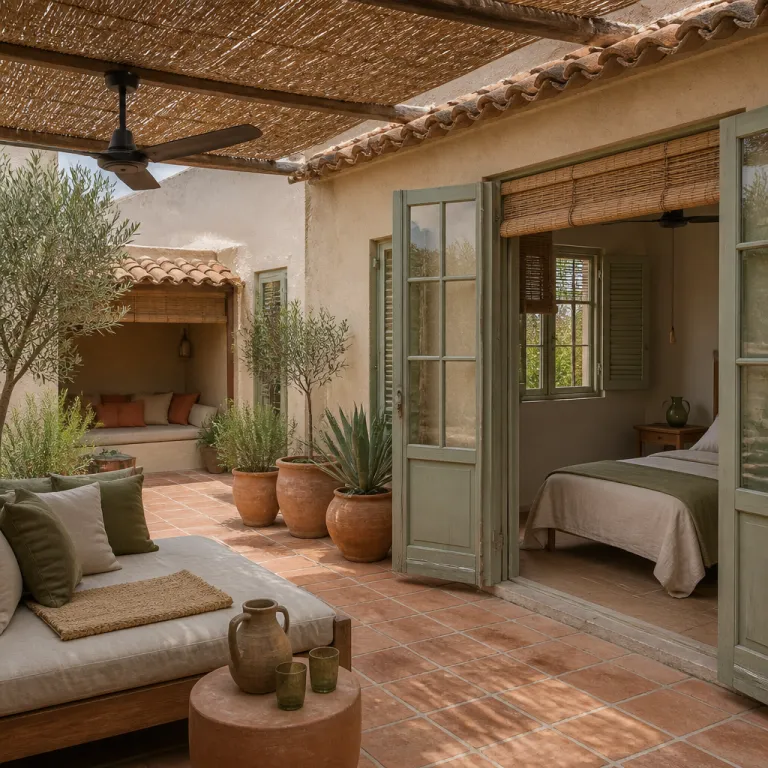
Why BB heat management summer cooling 2026 now defines a great stay
Across Europe, the summer season now shapes every serious bed and breakfast. Rising heat is no longer a passing inconvenience; it is the design brief, the service script, and the new measure of luxury for couples who care about restorative sleep and long term health. When you choose a property, you are really choosing how your body will cope with several hot days in a row and how cool your room will feel when the temperature refuses to drop at night.
Recent climate reports from organisations such as the World Meteorological Organization show that average global temperatures between 2011 and 2020 were about 1 °C higher than in 1850–1900, and hospitality surveys from groups like Booking.com and the European Travel Commission indicate that a growing majority of small properties are investing in better summer cooling. As a result, heat management has become a practical booking filter rather than a marketing slogan. Guests now ask about room temperature in degrees, blackout curtains, and whether cold showers are available as easily as they once asked about Wi‑Fi. The best hosts respond with precise details about how cool the bed will feel at midnight, how quickly the room cools after sunset, and how many degrees the room drops once shutters are closed.
For couples planning romantic escapes, this shift can actually help you sleep better and travel smarter. When you read that a place focuses on summer heat management, look for specifics such as stone floors, cross ventilation, and access to water that will genuinely cool an overheated body. Properties that treat cooling as part of cognitive wellness, not just comfort, tend to offer calmer spaces where your sleep cycles, mood, and daytime focus all benefit during the hottest summer months.
Heritage architecture as natural climate control
Traditional European houses often outperform modern builds when the heat climbs above thirty degrees. Thick stone walls, lime plaster, and high ceilings slow the transfer of hot air, so the interior temperature lags behind the outside by several crucial hours during the hottest part of the day. In practice, that means you return from a blazing afternoon to a cooler room where your body can reset before dinner and prepare for a genuinely restful night.
Many of the most interesting B&B owners now lean into this architectural advantage as the backbone of their summer cooling strategy. They keep original shutters, add discreet blackout curtains, and use pale limewash rather than dark paint to reflect heat away from the bed area. At a renovated stone farmhouse in Puglia, for example, owners recorded a difference of 5 °C between the courtyard and a shaded bedroom at 4 p.m. after adding internal shutters and reflective limewash. You will often find stone or terracotta floors left bare, which feel almost cold underfoot at dawn and help your core temperature drop before sleep.
Couples sensitive to hot nights should pay attention to materials as closely as to amenities. Natural fibres such as linen and silk breathe better than synthetics, so a silk blend sheet can feel cooler against the skin even when the thermostat reads the same number of degrees. When a host explains how the building, the fabrics, and the daily rhythm all work together to keep the body cool, you are hearing a thoughtful approach to summer cooling rather than a quick fix.
How hosts are redesigning the daily rhythm around heat
Across the Mediterranean and increasingly in northern Europe, hosts are quietly rewriting the timetable of a summer stay. Breakfast moves later, housekeeping shifts to the cooler morning hours, and the hottest slice of the day becomes a protected siesta window when guests are encouraged to rest, read, or simply lie on the bed and let the body cool. This new choreography is where heat aware hospitality becomes visible in daily life rather than just in building materials.
Some of the most thoughtful properties now serve breakfast until 11:00, then dim public rooms and close shutters so indoor temperatures stay several degrees lower through the afternoon. You might find a tray with a glass carafe of cold water, slices of citrus, and a note reminding you that regular water will help regulate body temperature and support cardiovascular health during the summer months. Evening aperitivo on a shaded terrace replaces a hot midday lunch, and the best hosts time outdoor dinners for when the stone courtyard has finally released the day’s stored heat and the air feels noticeably cooler.
This slower rhythm has a direct impact on sleep quality and cognitive wellness. When your body is not fighting constant heat stress, you fall asleep faster, stay asleep longer, and wake with a clearer head for exploring. If you enjoy refined city breaks, look for elegant bed and breakfast stays in New York that already operate with this kind of heat aware schedule, because urban summers can feel even more intense than coastal ones and night time temperatures can stay stubbornly hot.
Sleep centric details that matter on hot nights
Thoughtful summer heat management goes far beyond installing an air conditioning unit above the bed. Hosts now experiment with layered bedding, from temperature regulating mattress toppers to lightweight duvets that can be folded away on the hottest summer nights. Some keep a small cooler of chilled water in the room, so you can sip before sleep without crossing a hot corridor or disturbing your relaxed body temperature.
Look for rooms where blackout curtains are paired with breathable fabrics and a ceiling fan, because this combination often keeps the perceived temperature several degrees lower than air conditioning alone. A fan moves air across the body, helping sweat evaporate and making the skin feel cool even when the thermostat is set higher to protect respiratory health. In many heritage buildings, hosts also encourage short cold showers before bed, which drop core temperature and signal to the nervous system that it is time to sleep, especially after a long hot day.
Couples who value intimacy and rest should not hesitate to ask detailed questions before booking. Ask whether the room faces east or west, how thick the walls are, and whether the host can provide silk or linen sheets during the peak summer season. These small details, combined with a flexible daily schedule and access to water for cooling, will often matter more to your overall wellness than a generic promise of air conditioning.
Water, shade, and the new language of restorative luxury
Water has become the quiet hero of modern B&B cooling, especially in rural European properties. Where once a pool was a decorative extra, now access to water will shape how you plan each day and how your body recovers from the heat. Couples increasingly choose properties with plunge pools, spring fed basins, or nearby lakes where a short swim can reset an overheated nervous system and help the body feel cool again.
Hosts are responding with a spectrum of cooling options that go far beyond a standard rectangular pool. You might find a shaded stone tank filled with cold water from a hillside spring, or a small plunge pool tucked under vines where the temperature stays several degrees lower than in full sun. In northern regions, lakeside B&Bs in Minnesota show how elegant bed and breakfast stays by the water can offer natural cooling without heavy mechanical systems, especially during the long summer months when the air stays warm but the lake still feels refreshingly cold.
Shade is the other half of this restorative equation. The best properties now treat pergolas, deep loggias, and tree canopies as essential infrastructure rather than rustic decoration, because they allow you to sit outside even when the day is hot. When you can read, talk, or share a glass of wine in a cool, shaded corner, your body experiences the summer season as pleasurable rather than punishing and your overall health benefits from lower heat stress.
Biophilic design and materials that stay cool
Designers working with small luxury B&Bs increasingly use biophilic principles to manage heat. That means more plants, water features, and natural materials that regulate temperature without constant mechanical cooling. Stone, lime, and earth based plasters absorb and release heat slowly, so rooms feel cooler by day and gently warmer by night, helping the body maintain a stable temperature.
Inside, you will notice a preference for breathable textiles and simple, tactile surfaces. A silk cushion on a linen covered chair, a ceramic carafe of water beside the bed, and a stone floor under bare feet all contribute to a sense of cool grounded comfort that supports both physical health and mental calm. These details are not aesthetic flourishes; they are part of a deliberate summer cooling strategy aimed at protecting sleep and cognitive function when the outside air stays hot.
For couples, the result is a kind of restorative luxury that feels quieter and more thoughtful than traditional high gloss hospitality. You are invited to slow down, to nap after a cold shower, to swim when the sun is low, and to treat the B&B as a wellness space rather than just a place to board for the night. When hosts talk about their garden irrigation, their choice of trees, or how the courtyard stays cool, listen closely, because they are really talking about how you will feel at 3 a.m. when the outside air is still hot.
Where to book now: northward shifts and stone built refuges
As summers intensify, booking patterns are quietly tilting both northward and inward. Some couples now choose Normandy over Provence, Scotland over the south of England, or Scandinavia over the Mediterranean because the baseline summer temperature is several degrees lower. Others double down on traditional stone built properties in Italy, Greece, and Spain, trusting thick walls and shaded courtyards to keep the bed cool even when the day is brutally hot.
Data from industry reports, including European accommodation trend surveys published between 2022 and 2024, suggest that by the middle of this decade a clear majority of B&Bs will have implemented at least one significant heat adaptive measure such as improved shading, upgraded insulation, or more efficient cooling systems. That means summer heat management is no longer a niche concern but a mainstream expectation for discerning guests. If you are flexible on dates, consider shifting your romantic escape to the European shoulder season and use guides to smart September B&B bookings to find places where the air is cooler but the water still feels pleasantly cold.
When you do travel in the peak summer months, ask very specific questions before you commit. Does the property have air conditioning or rely on natural ventilation, and how is the system controlled for both cooling and energy efficiency? Are blackout curtains, ceiling fans, and access to cold showers standard in every room, or only in a premium category that will sell out quickly during a heatwave? These details will determine whether your stay feels like restorative luxury or a test of endurance for your body and sleep.
Practical booking checklist for heat aware couples
Before you reserve, treat summer cooling as a checklist rather than a buzzword. Confirm the orientation of your room, the thickness of the walls, and whether windows can be safely left open at night for cross ventilation. Ask if the host provides chilled drinking water, breathable bedding, and clear guidance on how to use any smart thermostat so you can keep the room at a healthy temperature without overcooling.
Remember that extreme heat is also a safety issue, especially for guests with cardiovascular or respiratory conditions. A well prepared B&B will explain how they monitor indoor heat, how staff are trained to help during heatwaves, and which shaded routes or cooler activities they recommend during the hottest part of the day. When asked, many hosts now echo the same advice that circulates within the industry: "Choose B&Bs with climate control, stay hydrated, and plan activities during cooler hours."
For couples who value both romance and resilience, this level of detail is not overthinking. It is how you protect your sleep, your mood, and your health while still enjoying the sensual pleasures of a European summer. The right property will leave you feeling cooler, clearer headed, and more deeply rested than you do at home, which is perhaps the best definition of modern luxury.
FAQ
How are B&Bs adapting to repeated summer heatwaves ?
Many B&Bs now combine air conditioning, improved insulation, and carefully managed shading to keep rooms cool during the hottest hours. Hosts use blackout curtains, ceiling fans, and smart thermostats to stabilise indoor temperature without excessive energy use. Heritage buildings with thick walls are often upgraded with discreet cooling systems that respect the architecture while protecting guest health and sleep quality.
What should I ask before booking a B&B for a hot summer stay ?
Ask whether every guest room has independent climate control and how it is operated. Check if there are blackout curtains, fans, or natural ventilation, and whether cold showers and chilled drinking water are always available. It is also worth asking about room orientation, outdoor shade, and access to a pool, lake, or sea for cooling during the day so your body can recover from the heat.
Are heritage B&B buildings really better in extreme heat ?
Many traditional stone or brick houses stay naturally cooler because their thick walls and high ceilings slow heat transfer. When combined with shutters, cross ventilation, and light textiles such as linen or silk, these buildings can maintain a comfortable indoor temperature even during a heatwave. However, they still benefit from modern additions like fans, smart thermostats, and well planned shading around terraces and courtyards.
How can I sleep better in a B&B during very hot nights ?
Choose a room with breathable bedding, effective blackout curtains, and either a fan or well controlled air conditioning. Take short cold showers before bed, drink enough water, and avoid heavy meals or alcohol late in the evening, because these all affect body temperature and sleep quality. If possible, keep the room slightly cooler than the rest of the house and use light layers rather than a heavy duvet so your body can adjust easily.
Is it safer to travel in the shoulder season instead of peak summer ?
For many travellers, especially couples focused on wellness, the shoulder season offers milder temperatures, fewer crowds, and less strain on the body. B&Bs can still provide access to water, outdoor dining, and long evenings, but without the extreme midday heat that now defines many summer months. If you are heat sensitive or simply want more restorative sleep, shifting your trip by a few weeks can make a noticeable difference to your comfort and health.