The science of cool nights and why B&Bs excel in early autumn
Solo travelers who care about BB sleep quality autumn cool weather know that temperature is the quiet hero of rest. In early fall, many European regions hover around a night temperature of 16 to 18 degrees Celsius, which sleep researchers consistently identify as the sweet spot for deep sleep and stable sleep patterns. That naturally cooler air lets you fall asleep without blasting air conditioning, and it helps you sleep better through the night with fewer awakenings.
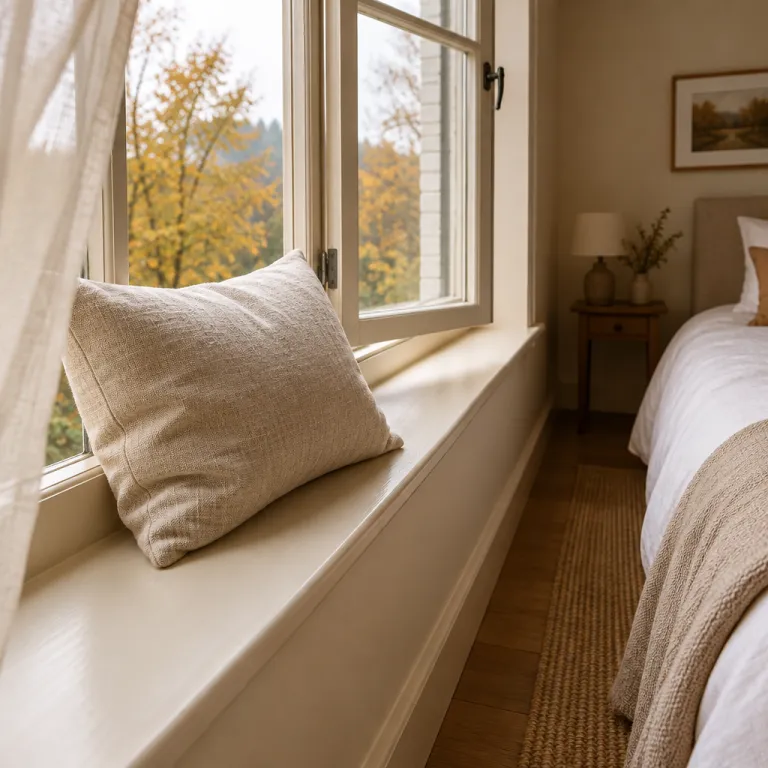
In a well designed bed and breakfast bedroom, the sleep environment is curated around this gentle drop in temperatures. Hosts open shutters before bedtime to flush out daytime heat, then close them partway to balance fresh cool air with reduced light and noise, which can dramatically improve sleep quality for sensitive guests. That small ritual makes a big difference to your circadian rhythm, because the body reads the cooler bedroom as a signal that it is time to start producing melatonin and prepare for falling asleep.
These seasonal changes matter for cognitive wellness as much as for comfort and better sleep. When the outside air turns cooler after intense summer heat, the contrast helps many guests fall asleep faster and maintain more stable sleep habits over several nights. For solo explorers who arrive overstimulated from travel, this kind of natural sleep help often works better than any app based sleep solutions or generic sleep tips.
Old stone, thick walls and the quiet luxury of thermal mass
Traditional European B&Bs were not built around marketing slogans ; they were built around seasons. Thick stone walls, lime plaster and timber beams create thermal mass that absorbs daytime heat and releases it slowly, which keeps the bedroom cooler just when you most want to sleep cooler in early autumn. In practice, that means BB sleep quality autumn cool weather feels almost engineered, even though the building is simply working with the climate.
When outside temperatures start to fall in September, these old houses regulate the indoor temperature with almost no mechanical intervention. You open the window at the right time, let the cooler air slide across terracotta floors, then close it slightly before bedtime to stabilise the sleep environment for the night. This rhythm supports healthier sleep habits and helps your circadian rhythm align with local time, which is especially valuable if you have crossed several time zones.
Many of the best sleep focused B&Bs now design their stay patterns around this natural cycle and often suggest a three night minimum for guests who want to slow down and reset. That longer bedtime routine in the same room lets your body map the light, temperature and sounds, which is crucial for better sleep and long term sleep training for your own internal clock. For solo travelers, this kind of stay is less about spa menus and more about quiet, repeatable sleep solutions that genuinely improve sleep over a few cooler months of the year.
Sound, light and the autumn shift toward restorative nights
By September, the soundscape around many rural and coastal B&Bs changes in your favour. Summer crowds thin, late night terrace conversations fade, and what remains is usually the low murmur of a village street or the distant rustle of trees, which supports BB sleep quality autumn cool weather without white noise machines. That calmer night environment is especially helpful if you struggle with falling asleep in anonymous city hotels where traffic and corridor noise never really stop.
Light also behaves differently in early autumn, and that matters for melatonin production and overall sleep quality. Shorter days and softer morning light help your body understand when it is time to sleep and when it is time to wake, which strengthens your circadian rhythm and makes it easier to fall asleep at a consistent bedtime. In a well considered B&B bedroom, you will often find layered window treatments that allow you to fine tune light levels at night while still waking to a gentle glow rather than a harsh spotlight.
Solo travelers who arrive with frayed sleep patterns from work deadlines often report a big difference after just two or three nights in such a setting. Hosts who care about sleep help will quietly adjust shutters, suggest an earlier bedtime routine and even dim common area lighting to nudge guests toward better sleep. If you missed peak season and are booking after August, guides such as the one on what seasoned B&B travelers do when peak season fills up at this resource for late season planners can steer you toward quieter properties where autumn nights are genuinely restorative.
How to choose a B&B for autumn sleep and cognitive reset
When you search for BB sleep quality autumn cool weather, focus less on spa buzzwords and more on structural details. Ask about wall thickness, window orientation and whether the bedroom faces a courtyard or a street, because these factors shape both temperature and noise throughout the night. A cooler bedroom on an upper floor with cross ventilation will usually help you sleep cooler and sleep better than a ground floor room facing a busy square.
Look closely at how the property manages light and morning transitions, because those details influence melatonin cycles and cognitive clarity the next day. Blackout blinds combined with adjustable curtains let you control dawn light, while the option to wake to a slightly opened shutter and cool air can improve sleep quality over several nights. Many solo travelers now treat this as informal sleep training for their own circadian rhythm, using autumn stays as a reset before the darker winter months.
For guests travelling with a baby or older children, early autumn can also be a strategic choice. Cooler temperatures make baby sleep and child sleep more stable, and hosts who understand family needs often provide tailored sleep help such as quieter rooms, dimmable lamps and flexible breakfast times. If you are planning a longer restorative break, consider properties that encourage slower stays, such as those highlighted in this guide to three night minimum stays at B&Bs designed for unhurried guests, because consistent routines over several nights are the most reliable way to improve sleep.
FAQ
Why is early autumn better for sleep at B&Bs than summer ?
Early autumn usually brings cooler nights, with outdoor temperatures often settling around 16 to 18 degrees Celsius, which is widely considered ideal for deep sleep. In many B&Bs, thick walls and natural ventilation use that cool air to stabilise the bedroom climate without aggressive air conditioning. The combination of fewer crowds, softer light and more comfortable temperatures creates conditions that naturally support better sleep and healthier sleep habits.
What should solo travelers look for in a B&B if they prioritise sleep ?
If sleep quality is your main filter, start with building characteristics and room orientation rather than amenities lists. Ask for a room with good cross ventilation, blackout options and distance from street noise, and check whether the host is willing to adjust breakfast times to match your preferred bedtime routine. Properties that emphasise quiet, slower stays and have a reputation for calm nights are usually better suited to a genuine cognitive reset.
How does temperature affect melatonin and circadian rhythm during a stay ?
The human body expects a small drop in temperature in the evening, and that change signals the brain to release melatonin, which prepares you for sleep. When your bedroom is slightly cooler than your daytime environment, your circadian rhythm aligns more easily with local time, especially after travel. Early autumn stays at B&Bs take advantage of this natural pattern, using open windows and thermal mass to maintain a stable, comfortable sleep environment.
Are B&Bs suitable for families who worry about baby sleep and child sleep ?
Many B&Bs are well suited to families, particularly in early autumn when cooler nights make it easier to keep a consistent sleep environment for a baby or young child. Hosts who regularly welcome families often provide cots, night lights and quieter rooms away from common areas, which can help children fall asleep more easily. When you book, explain your usual bedtime routine and ask how the property manages noise and temperature at night.
Can a short autumn stay really improve long term sleep habits ?
A three or four night stay in a calm, temperature stable B&B can act as a reset for your sleep patterns, especially if you maintain consistent bedtimes and wake times. The combination of cooler air, reduced noise and a predictable routine helps your body relearn what a full night of uninterrupted sleep feels like. While it will not replace medical advice for chronic insomnia, many travelers find that an early autumn break gives them practical sleep tips and renewed confidence in their ability to sleep better at home.