The rise of experiential B&B activities for true local immersion
Luxury bed and breakfasts are quietly redefining what experiential B&B activities and local immersion look like in practice. Guests now choose a stay for the immersion experience first, and the thread count comes second. This shift is reshaping how you plan a trip and how you travel once you arrive.
Industry research shows that 54% of recent guests say local immersion now outweighs a property's star classification, which explains why experiential learning has moved from niche to norm (Booking.com, Travel Predictions 2023, published October 2022). A 2023 report from the Adventure Travel Trade Association, Adventure Travel Trends Snapshot (May 2023), notes that experience-focused trips are growing faster than traditional sightseeing tours. Across the United States and Spain, small properties are building immersion programs where cultural activities, language learning moments, and hands-on workshops sit at the heart of the offer. These are not abstract programs; they are concrete activities such as foraging walks, wine blending sessions, and pottery classes that turn a short immersion trip into a layered learning experience.
At Glass Magnolia Bed & Breakfast in the Finger Lakes, the host pairs gourmet breakfasts with access to nearby wine trails, so your cultural immersion runs from the morning table to the last tasting flight. In Long Island, Sannino Vineyard B&B and Sharp Rock Vineyards in Virginia both weave complimentary wine tastings into the stay, creating a relaxed immersion experience where you learn the local language of tannins, terroir, and small-scale production. These properties show how activity-led B&B stays and place-based learning can feel luxurious without ever needing a resort-style activity desk.
Travelers who once booked only by room size now ask how they can participate in local life during their stay. They want to explore the local community through curated activities that feel more like an immersion program than a packaged tour. For many guests, especially curious students and solo explorers, the promise is simple: students will travel for a story, not just a bed, and the right B&B turns that story into a meaningful cultural exchange.
From bedroom to bread oven: activities that work at B&B scale
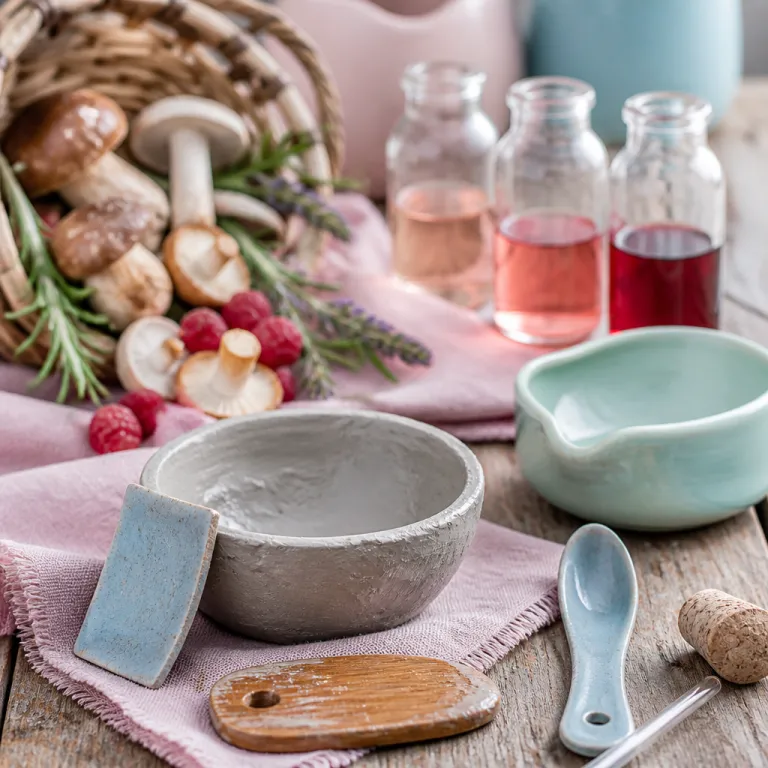
The most successful experiential B&B activities for local immersion are those that fit naturally into a host's daily rhythm. Think foraging for wild herbs at dawn, kneading sourdough beside the farmhouse Aga, or joining a tiny wine blending workshop in a working cellar. These activities feel intimate because they are built around the property's existing culture, not bolted on as entertainment.
Moonfull in the United Kingdom is a strong example, hosting foraging walks and winemaking experiences that keep group sizes small enough for real immersion learning. A typical foraging session might last two to three hours and cap at eight guests, followed by a tasting where participants sample what they have gathered. Guests explore hedgerows with a guide who speaks the local language of the land, then work alongside vintners to understand fermentation as both science and culture. Over the course of a long weekend or even three weeks, that kind of immersion experience becomes a deep learning journey rather than a quick photo opportunity.
In rural Spain, B&B Wine & Cooking Penedès near Barcelona offers organic farm stays where cooking classes double as cultural activities and informal language instruction. Here, program students might learn to bake bread, prepare regional dishes, and taste wines while hearing stories about the destination's agricultural history. A typical half-day cooking workshop runs three to four hours and welcomes four to six guests, which keeps the atmosphere conversational. The result is a form of service learning for the palate, where you learn through doing, tasting, and talking, not through a scripted program.
Ambrosia Farm B&B and Pottery in Virginia takes another route, giving guests access to a working pottery studio where experiential learning happens at the wheel. Students work clay under the guidance of a resident potter, and over several sessions they learn how local culture, landscape, and materials shape design. Introductory classes often last around two hours, with no more than six participants so that everyone receives hands-on guidance. These small-scale activities show how an immersion program can be both luxurious and low key, turning a simple trip into a tactile immersion experience that lingers long after checkout.
The host as curator: building immersion through community partnerships
What separates a forgettable workshop from true experiential B&B activities and local immersion is the host's role as curator. At the best properties, the owner knows every farmer, potter, and winemaker within a few kilometres, and chooses partners with the same care they apply to their breakfast table. This is where cultural immersion becomes a shared project with the local community rather than a performance for visitors.
Rest Yourself River Ranch along the Brazos River illustrates this approach, offering nature-inspired experiences that often involve guided walks, river activities, and time with local guides. Guests might work alongside a naturalist to learn about native species, turning a simple hike into an immersion trip through the region's ecology and culture. Over several days, students will absorb more language, stories, and context than any standard tour could provide. One recent guest described a sunrise bird walk as “the moment the landscape finally started to speak,” capturing the emotional side of this kind of stay.
On small farms such as Brookhaven Mill Farm or Little Bluestem Farm, hosts often invite guests to participate in local routines like feeding animals, cutting flowers, or helping with seasonal tasks. While this is not formal volunteering, it echoes the spirit of volunteer service and service learning, because you contribute to the daily life of the destination. For some guests, especially students interested in experiential learning, these moments feel like a light immersion program where they can explore rural culture without committing to a full service learning program.
Behind the scenes, many hosts design flexible programs so that program students, couples, and families can all find the right level of engagement. Some B&Bs quietly offer language immersion touches, such as morning language instruction over coffee or encouraging guests to use the local language during cultural activities. When students work with artisans or farmers in this way, the cultural exchange becomes mutual, and the immersion experience respects both guest curiosity and community boundaries.
Pricing models: when the experience is the product
Once you start comparing experiential B&B activities for local immersion, pricing quickly becomes part of the story. Some properties bundle activities into the nightly rate, others treat them as paid add-ons, and a few offer complimentary experiences as a form of elevated service. Understanding these models helps you judge whether a stay offers genuine value or just glossy marketing.
At vineyard stays such as Sannino Vineyard B&B and Sharp Rock Vineyards, complimentary wine tastings are often included, while more intensive wine blending sessions may be priced as separate programs. A focused blending workshop might run 90 minutes and cost the equivalent of a mid-range restaurant meal per person, with four to ten guests per session. This tiered approach lets guests choose between a light immersion experience and a deeper learning experience that might stretch over three weeks of repeated visits or a concentrated immersion trip. For travelers who value experiential learning, paying extra for a small group workshop where you work alongside a winemaker can feel more rewarding than upgrading to a larger room.
Farm-based properties like B&B Wine & Cooking Penedès or Brookhaven Mill Farm may include basic farm access and informal cultural activities in the stay, while structured cooking classes or pottery sessions are sold as bookable activities. In these cases, the program students who commit to a full immersion program with multiple sessions often receive a reduced package rate. For example, a farm might offer a three-night stay with two cooking classes at a bundled price that undercuts booking each class separately. This mirrors the structure of language immersion or service learning programs, where longer engagement brings better pricing and a richer immersion experience.
When you evaluate a destination, ask whether the B&B treats activities as a core part of its identity or as a side hustle. If the website speaks clearly about cultural immersion, language learning opportunities, and partnerships with the local community, you are more likely to find coherent programs rather than scattered workshops. A transparent description of what is complimentary, what is paid, and how many guests can participate in local sessions at once is a strong sign that the host understands both hospitality and experiential B&B activities for local immersion.
How to assess authenticity before you book
Not every property advertising experiential B&B activities and local immersion delivers more than a staged photo. Before you commit, you need to read between the lines and ask precise questions. This is where a luxury and premium booking website for bed and breakfasts can act as a filter rather than just a catalogue.
Start by looking for specific details about activities, partners, and group sizes, rather than vague promises of "local experiences". A credible listing will name artisans, outline the learning experience, and explain whether students work directly with hosts or only observe from a distance. When a property mentions language immersion, language instruction, or language learning, check whether this means structured sessions or simply the chance to hear the local language during meals and cultural activities.
Next, examine how the B&B positions its relationship with the local community. Genuine cultural immersion usually involves long-term collaboration, where guests work alongside local experts and the community benefits from fair payment or shared projects. If a property references service learning, volunteering, or volunteer service, ask whether there is a clear immersion program with defined outcomes for both guests and residents, or whether the language is more aspirational than operational.
Finally, use your booking questions to test depth: ask how many guests can participate in local workshops at once, whether programs run year round, and how activities adapt over three weeks or more of seasonal change. Serious hosts will answer with concrete examples, such as shifting from foraging walks to bread baking when weather changes. For a deeper look at how outdoor spaces and context shape these experiences, you can read our guide on why outdoor spaces define the best B&Bs in Southern Europe, which pairs well with this focus on experiential B&B activities and local immersion.
Regional strengths: where activity led B&B stays shine
Certain regions lend themselves naturally to experiential B&B activities and local immersion. Wine country, river valleys, and working farms all provide ready-made classrooms where culture, landscape, and daily work intersect. For the solo explorer, these destinations offer a balance of quiet comfort and structured immersion trip opportunities.
The Finger Lakes in the United States, anchored by properties like Glass Magnolia Bed & Breakfast, combine lake views with access to wine trails and farm-to-table producers. Here, cultural immersion often means tasting flights, vineyard walks, and conversations with winemakers who speak the local language of soil and slope. Over a stay of several days or even three weeks, students will gradually learn how climate, history, and community shape each glass, turning casual travel into a sustained learning experience.
In Spain's Penedès region, B&B Wine & Cooking Penedès uses its organic farm as a base for cooking classes, vineyard visits, and seasonal activities. Program students might join harvest days, help prepare traditional dishes, or participate in local festivals, blending experiential learning with gentle cultural exchange. For guests interested in language immersion, even simple language instruction in the kitchen can transform a meal into a layered immersion experience.
Rural properties such as Rest Yourself River Ranch, Brookhaven Mill Farm, Little Bluestem Farm, and Ambrosia Farm B&B and Pottery showcase another strength: they turn landscapes into open-air classrooms. Guests explore trails, work alongside farmers, or shape clay in studios where students work with their hands as much as their minds. Across these destinations, experiential B&B activities and local immersion are not add-ons but the main reason to travel, and the bedroom becomes the quiet space where you process a full day's learning experience.
Designing your own immersion trip through a luxury B&B lens
Planning an immersion trip through a luxury and premium booking website for bed and breakfasts requires a different mindset. Instead of starting with star ratings, begin with the story you want to live. Then choose experiential B&B activities and local immersion opportunities that can carry that story from arrival to departure.
If you are a solo traveler or part of a small group of students, decide whether you want a light immersion experience or something closer to a structured immersion program. A light version might involve a few cultural activities, such as a pottery class at Ambrosia Farm or a foraging walk with Moonfull, combined with unstructured time to explore the destination. A more intensive approach could resemble service learning or volunteering, where program students commit to regular sessions, work alongside the local community, and treat the stay as a serious learning experience.
When you shortlist properties, map out how your days could look over one week or even three weeks. Ask how often activities run, whether language learning or language instruction is available, and how many chances you will have to participate in local life beyond the B&B's walls. Remember that true cultural exchange happens when students work with hosts and neighbors repeatedly, not just during a single scheduled workshop.
Finally, align your expectations with the property's capacity: small B&Bs excel at intimacy, not at running large-scale programs. If a host promises both deep cultural immersion and extensive volunteering opportunities, check how they manage service learning logistics without overwhelming the local community. The best experiential B&B activities for local immersion respect the rhythm of place, ensuring that your trip feels like a shared story rather than a one-sided performance.
Key figures shaping experiential B&B immersion stays
- According to a recent travel industry report from Skift Research, 72% of travelers now actively seek unique experiences during their stays, confirming the strong demand for experiential B&B activities and local immersion (Skift Research, The Experience Economy: Travel's Next Chapter, June 2023).
- Global tourism data from the World Travel & Tourism Council shows a double-digit increase in experiential travel bookings compared with previous periods, indicating that activity-led B&B stays are capturing a growing share of the market (WTTC, Travel & Tourism Economic Impact 2023, March 2023).
- Industry research indicates that 54% of recent guests say local immersion now matters more than a property's formal star classification, pushing small B&Bs to invest in cultural activities and immersion programs (Booking.com, Travel Predictions 2023, October 2022).
- Many experiential B&B properties operate year round but adjust activities seasonally, shifting from outdoor foraging and guided hikes to indoor bread baking, wine blending, and pottery workshops during colder months.
Frequently asked questions about experiential B&B immersion stays
What is experiential travel?
Experiential travel is travel focusing on engaging, hands-on activities. In the context of luxury B&Bs, this means foraging walks, pottery classes, wine blending, and other cultural activities that connect you directly with the local community. These experiences turn a standard trip into an immersion experience grounded in real people and places.
Are these activities suitable for families and students?
Yes, many B&Bs offer family-friendly experiences. Properties such as Brookhaven Mill Farm or Little Bluestem Farm often design programs where students work alongside parents during gentle farm tasks, making the learning experience accessible to different ages. Always check age guidelines and group sizes before you book.
Do I need prior experience for these activities?
No, activities are designed for all skill levels. Hosts and local partners provide step-by-step guidance, whether you are joining a pottery class, a wine blending session, or a foraging walk. This inclusive approach supports both first-time travelers and seasoned students interested in deeper cultural immersion.
How far in advance should I book experiential B&B activities?
Because group sizes are small, you should book both your room and key activities several weeks in advance, especially during peak seasons. Many properties schedule workshops only on certain days, so confirming dates early ensures that your immersion program aligns with your travel window. Always ask for current activity schedules and any seasonal variations before finalizing your trip.
Can a short stay still offer meaningful local immersion?
A stay of just a few nights can still deliver a strong immersion experience if you focus on one or two well-curated activities. For example, pairing a guided foraging walk with a cooking class at a farm-based B&B can provide a compact but rich learning experience. Longer stays of up to three weeks naturally allow deeper cultural exchange, but even a weekend can become a story when the host curates your time with care.