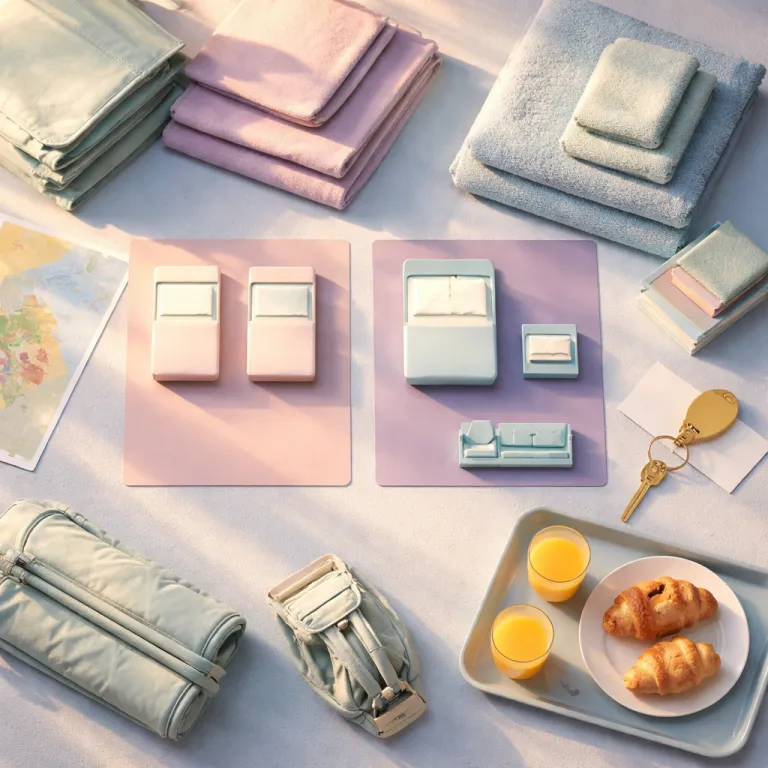
The structural test: when a European BB for family of four really works
A genuinely family‑ready European BB for family of four starts with structure, not slogans. Many hosts claim that a B&B welcomes every family, yet only some properties are actually laid out so that parents, younger children and an older or adult child can all relax. When you are staying in a B&B, look for a floor plan that lets an older child slip back from the restaurant or park without waking the youngest child in the next bed.
Think in terms of connecting rooms, a ground floor option and a flexible breakfast buffet. A strong European BB for family of four will offer a wide range of room types, so you can match one adult child in a separate sleeping space while younger children aged under six share a large bed with you. In many family rooms across Europe, you can expect around 20–25 m² of space, which is just enough to add a cot or fold‑out bed without blocking the door. A 2023 survey by the European Tourism Association found that more than half of small guesthouses now provide cots on request, and hosts who are willing to adjust arrival and departure times, extend breakfast hours or store a car seat free of charge are signalling that family travel is part of their daily reality.
Before you book stay dates, run a simple structural test by message or phone. Ask whether the B&B can guarantee two beds plus a cot, whether the breakfast buffet opens early enough for a child who wakes with the sun and whether there is a safe park or traffic‑free square within 500 m. Clarify if any additional fee applies for an extra bed, which in many European regions ranges from €10 to €30 per night according to regional tourism boards, and make sure every offer is written into your booking confirmation so there is no debate on the day you arrive.
The Cotswolds farmhouse archetype: rural England built around families
Across rural England, the classic Cotswolds farmhouse has quietly become a model European BB for family of four. These stone houses usually sit near a village centre yet feel wrapped in fields, which means children can run to a park or stream while adults enjoy tea by the fire. When you are staying in a B&B of this kind, the host often lives on site and treats every family travel party as an extension of their own household.
Look for two‑room suites where one bed sits under a sloping roof and another bed anchors a small sitting room. A thoughtful B&B owner will often include a breakfast buffet with hot dishes cooked to order, and may offer a packed breakfast free of additional fee if your arrival or departure schedule clashes with normal hours. Many Cotswolds properties, such as long‑running farm stays near Stow‑on‑the‑Wold or Broadway, also provide a small fridge for baby food, free parking for your car and a list of top farm visits where a child can feed animals without long drives.
When booking online, ask direct questions about children aged under twelve and how they are charged. Some farmhouse hosts let one child stay free in existing bedding, while a second child or adult child may need a fold‑out bed with a modest pay supplement. For inspiration on how premium yet relaxed family stays can feel in other regions, study the way family suites in the Lake District or Yorkshire Dales are described on official tourism sites, then apply the same lens to your English shortlist.
The Italian agriturismo archetype: food, fields and the kid on a tractor
An Italian agriturismo can be an ideal European BB for family of four when it balances farm life with hotel‑level comfort. These rural B&B estates usually sit outside the historic centre of a village, so you will rely on a car yet gain silence, views and space for children to roam. The best examples turn breakfast into a slow ritual, with a breakfast buffet of local cheeses, cakes and fruit that lets every child or adult child graze at their own pace.
Families often stay and discover that agriturismi are specially designed around shared meals. Dinner is usually served at a long table, where a host explains each dish and may even help you book ticket times for nearby vineyards or cultural sites in Europe. A strong agriturismo offer for family travel will include early plates of pasta for children aged under ten, flexible portions for travelling infants and the option to pay a fixed menu price so costs stay predictable.
Clarify the availability of farm activities before you book stay dates. Tractor rides, egg collecting and cooking classes can be seasonal, and some hosts charge an additional fee while others include them free of charge for guests staying B&B for more than two nights. To benchmark quality, compare the sense of place you feel at an agriturismo with the atmosphere at family‑run guesthouses in regions such as Tuscany, Umbria or South Tyrol, where hosts also use food and gardens to anchor the stay.
The Mediterranean finca and the Aegean warning sign
On Mallorca and other Balearic islands, the traditional finca has become a favourite European BB for family of four. These stone houses often cluster around a pool, with ground floor rooms that open straight onto shaded terraces where a child can nap while parents enjoy a late breakfast. When staying in a B&B finca, the real luxury is not marble but the way dinner on site lets you skip the car and avoid wrestling tired children through a crowded restaurant.
Ask whether the finca offers a simple dinner service during high season, even if only three nights per week. A host who cooks a set menu and serves it near the pool is effectively giving your family travel party an extra living room, and that can be worth a small additional fee compared with eating out every night. Check if pool towels are free of charge, whether there is a shallow end suitable for children aged under eight and how far you must walk to the nearest sandy, park‑style beach.
By contrast, some Aegean Cycladic properties, even with a four‑key rating, rarely suit a European BB for family of four. Rooms can be stacked on steep steps, breakfast may be timed tightly for couples and there is often no lift, which makes arrival or departure with a buggy or sleeping child exhausting. When photos show endless white stairs, tiny balconies and no visible bed for a child, treat that as a signal that the property is designed for pairs, not families.
Reading listings like an insider: questions, photos and quiet red flags
Before you commit to any European BB for family of four, treat the listing as a starting point, not the full story. The most reliable hosts welcome precise questions about bed configurations, breakfast buffet timing and whether a child can use the lounge after dark. When you contact them through booking online tools or direct email, you are testing not only availability but also how flexible they will be on the day you arrive.
Use a simple pre‑booking script you can copy and adapt:
- “We are a family of four (two adults, one child aged 9, one infant). Can one child stay free in existing bedding, and is there space for a cot?”
- “Is a cot for travelling infants free of charge or subject to an additional fee, and can you confirm this in the booking notes?”
- “How do you classify an adult child in your pay structure, and what is the nightly supplement for an extra bed?”
- “Does the B&B sit in the heart of the city centre or on a rural lane, and how far is it to the nearest park or traffic‑free square?”
- “Could you help us book ticket times for museums or trains in France and wider Europe if needed?”
Photos reveal more than marketing text. Look for images that show where the second bed sits in relation to the first, whether there is floor space for a travel cot and if the breakfast room has high chairs ready for children aged under five. When a gallery shows only close‑ups of pastries, candles and wine glasses but no wide range of family‑friendly spaces, assume the property is not specially designed for a relaxed family travel experience, then redirect your search to curated collections on major booking platforms where filters and reviews highlight real family fit.
FAQ
What defines a family friendly bed and breakfast in Europe ?
A family friendly B&B in Europe combines the right structure with the right attitude. You should find flexible breakfast hours, safe access to a park or outdoor space and rooms that can hold at least one extra bed or cot without feeling cramped. As one reference puts it, “A lodging offering overnight stay and breakfast.” and “Many B&Bs accommodate families; check policies.” and “How to book a B&B in Europe?” and “Use online platforms or contact B&Bs directly.”
How far in advance should I book a European BB for family of four ?
For peak seasons and popular regions such as France, Italy or the Cotswolds, you should book stay dates several months ahead. Larger family rooms and suites are few, so availability for a European BB for family of four can disappear quickly. When you are staying in a B&B, always confirm arrival and departure times and any additional fee for extra beds in writing.
Are European B&Bs good value for families compared with hotels ?
Many families find that staying B&B offers better value because breakfast is included and one child can often stay free in existing bedding. The average B&B room price in Europe remains competitive, especially when you factor in parking for a car or access to a shared kitchen. Always compare what you will actually pay per night, including any additional fee for an adult child or travelling infants.
What should I ask a host before booking online with children ?
Ask about bed sizes, whether a cot is free of charge, and how they handle children aged under twelve at breakfast. Clarify if there is a safe park nearby, whether the property sits in the heart of the city centre or in the countryside and how flexible they are with early arrival or late departure for tired families. You can also ask if they can help you book ticket times for local attractions, which often transforms a simple stay into a genuinely memorable experience.
Is it better to stay in the city centre or countryside with a family ?
Both options can work for a European BB for family of four, but they suit different styles of family travel. A property in the heart of the city centre gives quick access to museums, restaurants and public transport, which is ideal if you do not plan to use a car. Countryside B&B stays usually offer more space, quieter nights and easier parking, which many families with younger children or travelling infants enjoy.