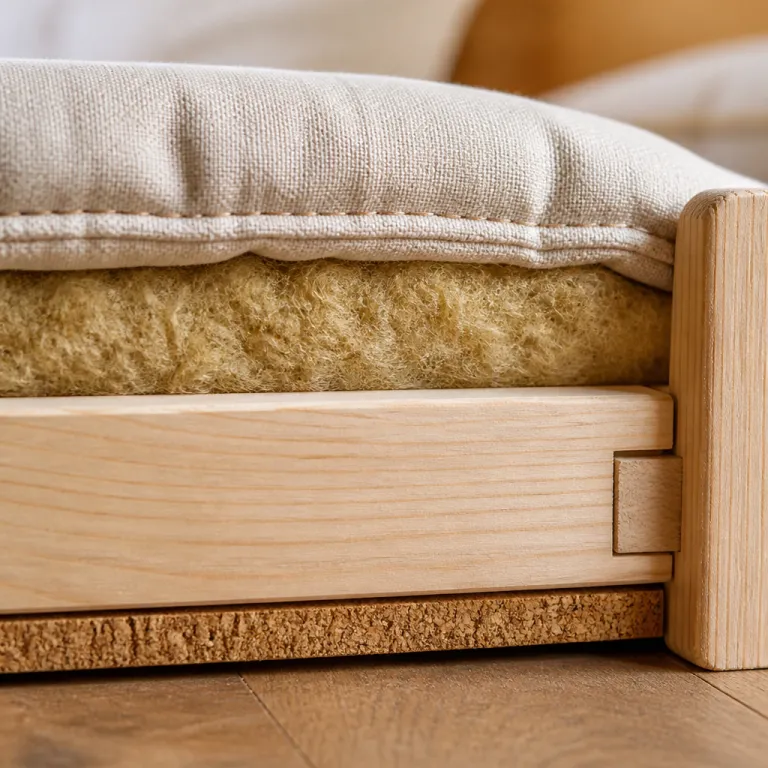
The BB sleep quality advantage in a ten room world
In a ten room bed and breakfast, the BB sleep quality advantage starts with scale. With far fewer neighbours than a two hundred key tower, corridor noise drops, lift hum disappears, and the late bar soundtrack never seeps under your door at nighttime. That structural quiet is the foundation for quality sleep, whether you are a solo explorer from the United States or a parent travelling with young children who need predictable hours sleep.
Owners design these intimate properties around one clear objective: guests must sleep well. Guest review data on major booking platforms such as Booking.com and Expedia consistently shows that small properties with under twenty rooms often achieve sleep-related satisfaction scores in the mid to high eighties, although exact figures vary by region and season. Much of that satisfaction comes from longer sleep duration and fewer sleep problems reported the next morning. When a family arrives with a baby or infants in early childhood, the host can place them in the calmest wing, which directly supports better baby sleep and infant sleep without needing formal sleep training.
This scale also changes how you feel as a guest during your own nighttime sleep. You are not one anonymous child in a crowd of children, or one parent child pair lost on a spreadsheet; you are a name, a story, a routine that the host quickly learns. That personal attention is crucial when you are crossing time zones and trying to protect your immune system, emotional balance, and overall health through consistent sleep quality.
Quiet architecture, smart bedding and the unseen sleep design
The BB sleep quality advantage is not only about fewer rooms; it is about what owners quietly build into those rooms. Many premium bed and breakfasts now invest in acoustic insulation, heavy solid core doors, and blackout sealing systems that block light bleed at the edges, which sharply reduces behavioral sleep disturbances caused by hallway chatter or early deliveries. Well designed guest rooms often target a sound transmission class (STC) rating in the mid 50s or a nighttime noise level below about 30 dB, which is closer to a quiet library than a busy corridor. This kind of invisible architecture matters more for nighttime sleep than a flashy lobby, because it protects both adults and young children from fragmented sleep duration.
On the mattress side, luxury B&B owners follow the same wellness design trends as high end hotels, but they deploy them more thoughtfully. Smart mattresses that allow guests to adjust firmness and regulate temperature are increasingly common in premium rooms, and partnerships with heritage bedding brands such as Hästens at properties in Burgundy and other European regions signal that sleep quality is treated as a core part of guest health rather than a decorative extra. For a solo traveller juggling work, early meetings, and long flights, this level of control over comfort supports better daytime focus and steadier mood the next day.
If you want to go deeper into the technical side of acoustics, mattresses, and blackout systems, look for properties that explain their sleep design choices clearly on their listing pages and in pre arrival emails. A good starting point is to read a specialist guide on sleep focused design at a characterful B&B, such as an article dedicated to acoustics, mattresses, and blackout details on bnb stay, then compare those benchmarks with the property you are considering. When you see this kind of transparency, you can be confident that the BB sleep quality advantage is more than marketing language; it is a deliberate, well funded strategy.
The host factor: human regulation beats anonymous automation
Large hotels increasingly rely on AI driven room configuration, using pre arrival data analysis to predict your preferred temperature, pillow type, and even ideal bedtime, and some industry reports suggest this can lift guest satisfaction by more than twenty percent. That technology is impressive, but a ten room B&B has a different kind of sleep advantage: a host who notices your room feels stuffy when you come down to breakfast and quietly adjusts the regulation of heating or opens a window before you even ask. This human calibration matters when you are trying to stabilise your own sleep routine after a long haul flight or a stressful work week.
In a small property, the owner will often ask about your bedtime routine, your usual hours sleep, and whether you are travelling with a baby, infants, or young children who need earlier nighttime sleep. That conversation is not a formality; it is the basis for tailoring routines around your family, from offering early childhood friendly dinner times to dimming corridor lights earlier on your floor. For parents and mothers who are used to managing child sleep and baby sleep at home, this level of attention can feel like a rare extension of the parent child bond rather than a disruption.
Compare that with a large property where you might fill out a preference form that feeds an algorithm but never reaches a person who can respond in real time. In a B&B, the same host who checks you in will usually be on site through the evening, able to respond if sleep problems arise, whether that means moving you away from a noisy staircase or providing herbal tea to support relaxation and the immune system. This is where practical sleep support becomes tangible, because the family and individual routines are observed, remembered, and gently adjusted by someone who actually knows your name.
Pre sleep rituals, spa style relaxation and the bedtime gap
Wellness travellers now spend significantly more per trip than the average guest, and they increasingly judge a stay by how they feel at bedtime rather than by the size of the lobby. In a ten room B&B, the BB sleep quality advantage extends into the hours before you lie down, with spa inspired rituals that are simple, human, and tailored to your age, energy level, and travel purpose. Instead of a crowded hotel spa, you might find a small infrared sauna, a deep soaking tub, or a quiet garden where chamomile tea is served under soft lighting at nighttime.
These gentle experiences support emotional regulation and behavioral regulation, which are both essential for drifting into quality sleep without relying on screens or late night drinks. When a host suggests a short walk after dinner, prepares a light snack suitable for children, or offers a warm milk option for babies and infants, they are effectively guiding your bedtime routine in a way that respects your family dynamics. Over time, frequent travellers notice that these consistent routines reduce sleep problems, shorten the time it takes to fall asleep, and improve overall sleep duration across different time zones.
For solo explorers, this pre sleep ritual can be as simple as a conversation about tomorrow’s plans at the breakfast table, which helps clear mental clutter before nighttime sleep. One of the strengths of curated platforms such as bnb stay is that they highlight properties where the host genuinely engages with guests rather than just handing over keys, as shown in their coverage of refined comfort stays in historic districts like Wilmington’s centre. When you read that a host sits down with guests to map out the next day, you are also reading about a subtle form of sleep training for adults; aligning expectations early so the mind can rest later.
Families, early childhood sleep and choosing the right B&B
For families travelling with babies, infants, and young children, the BB sleep quality advantage can make or break a trip. A ten room property can cluster family rooms in one part of the house, set earlier quiet hours, and provide small but crucial items such as blackout blinds, white noise machines, and child friendly nightlights that protect nighttime sleep. This attention to early childhood needs is rarely possible in a two hundred room corridor where stag parties and business travellers share the same floor.
When you evaluate a B&B listing, look for language that shows the owner understands child sleep, baby sleep, and the realities of a parent child dynamic on the road. Phrases such as flexible breakfast times, separate sitting rooms for families, and support for bedtime routines signal that the property has thought about behavioral sleep and emotional regulation for all ages. In the United States and elsewhere, many parents now travel with data from a favourite sleep study or app, and a good host will respect that information while still offering practical suggestions based on the house layout.
Remember that “Why choose a B&B over a hotel?” is not a rhetorical question; the most honest answer remains “For personalized service and unique experiences.” When those experiences include a calm bedtime, predictable hours sleep, and a host who understands how sleep quality underpins immune system strength and long term development, the choice becomes even clearer. For a family, this can mean fewer meltdowns, better regulation of mood, and a shared sense that travel supports health rather than undermining it.
FAQ
How does a ten room B&B improve my sleep compared with a large hotel ?
A ten room B&B usually has less corridor traffic, no lift noise, and fewer late night events, which directly reduces disturbances during nighttime sleep. Owners can also place light sleepers, parents with babies, and solo travellers in the quietest rooms because they know exactly who is staying where. This combination of structural calm and personal allocation creates a clear BB sleep quality advantage over large, anonymous properties.
Are B&Bs suitable for families with babies and young children ?
Many B&Bs are designed with families in mind and can adapt to early childhood sleep needs more easily than big hotels. Hosts often provide cots, blackout blinds, and flexible breakfast times that respect each child’s routine and usual bedtime. When you book, explain your baby sleep and child sleep patterns so the owner can recommend the best room and support your family’s regulation of energy across the stay.
What should I ask a B&B host before booking to ensure good sleep ?
Ask about room location, acoustic insulation, and whether there are any common areas directly above or below the bedroom you are considering. It is also worth discussing your preferred hours sleep, any history of sleep problems, and whether you are travelling with infants or young children who need earlier nighttime sleep. Clear communication helps the host tailor routines, amenities, and even spa style relaxation options to maximise your sleep quality.
Do B&Bs usually include breakfast, and can timing be adjusted for my routine ?
Most B&Bs include breakfast as part of the stay, and many are willing to adjust timing slightly to match your usual routine. If you need an early start for work or a late start because your child’s bedtime routine runs long, discuss this at booking or check in. Flexible breakfast hours can support better emotional regulation and behavioral regulation by preventing rushed mornings after a carefully protected night of sleep.
Can a B&B support wellness goals such as immune system health and stress reduction ?
Yes, many premium B&Bs now integrate wellness elements such as high quality mattresses, blackout systems, herbal teas, and small spa facilities that collectively support restorative sleep. Consistent, uninterrupted sleep duration is closely linked to immune system strength and lower stress levels, so the calm environment of a ten room property is a practical asset. When you choose a B&B that prioritises sleep design and gentle pre sleep rituals, you are effectively investing in your own long term health while you travel.
References
WATG Advisory, Hospitality Trends (guest experience and wellness-focused design).
Hackrea, Hotel and hospitality design trends (acoustic comfort, lighting, and sleep-friendly interiors).
Elkay Interior Systems, Hospitality design trends shaping the hotel industry (room layout, materials, and guest comfort).