Why the B&B guest book tradition still shapes the stay
Why the BB guest book tradition hospitality still shapes the stay
Walk into a thoughtful b&b and the first thing that feels different is often a simple object on a wooden farm table, the guest book. Before you even see your bed or meet another guest, those handwritten lines signal that this house values stories, not just transactions, and that the long standing B&B guest book tradition still anchors the entire guest experience. As you read page after page, you sense how previous guests turned a short stay into part of a longer life story, leaving notes about breakfast conversations, country walks and the views surrounding the property.
For solo travelers, that thick book becomes a quiet form of company during the first minutes after arrival, especially in a private guest room where silence can feel both luxurious and slightly intimidating. You leaf through entries from a family celebrating a milestone day, a couple escaping the city for a farm stay, or a writer using the guest house as a long term retreat, and you realize that this historic bed and breakfast has hosted entire chapters of other lives. One guest in a Devon farmhouse, for instance, wrote, “Arrived exhausted, left feeling like distant cousins of the family who live here,” capturing in a single line how a simple B&B guest book can turn a bed breakfast stay into part of a longer narrative.
Hosts understand this power and curate the guest rooms around it, placing the book where guests naturally pause, often near a window with generous views surrounding the garden or the country lane. In luxury properties with a rich history and sometimes even colonial heritage, the guest book often sits beneath framed photographs that tell the house story in images, reinforcing that this is a historic house, not an anonymous lodging. When you finally add your own lines at the end of your stay, you are not leaving a rating; you are contributing to a living archive that future guests will read, and that is the quiet magic of traditional B&B guest book culture.
The psychology of ink and paper in modern guest experience
Hospitality research and host interviews show that guests consistently remember tangible gestures more vividly than digital ones, and the classic B&B guest book is one of the clearest examples of that bias toward touch. A handwritten welcome note on the bed, perhaps placed beside a small farm table snack or a map of the country lanes, engages more senses than any automated welcome email ever can. When a host writes your name in careful script and references your long term stay or your frequently asked preferences, the message feels crafted for a single guest, not generated by reservation software.
Industry surveys and internal guest feedback now quantify what many hosts already sensed at the breakfast table, where the best conversations still happen in a relaxed b&b. Many properties report that guests who mention analog elements such as guest books, physical welcome cards or a handwritten welcome note also tend to give higher satisfaction scores overall, and together these patterns confirm what hosts observe each day. That is why our own reporting on the host led breakfast table keeps returning to the same theme: the most memorable guest experience usually begins with a pen, not an app.
There is also a subtle psychological contract at work when you read a note written by a real person who has just made your bed breakfast space feel like a temporary home. The host signals that the house is open to conversation, that asked questions are welcome in person rather than buried in a frequently asked section of a website design. In return, guests tend to respect the guest room and shared spaces more, treating the historic bed and breakfast as a lived in house rather than a faceless property, which is exactly what this style of guest book centered hospitality aims to protect.
Balancing seamless tech with analog warmth at a luxury B&B
High end b&bs now operate with sophisticated reservation software behind the scenes, yet the most successful ones never let that efficiency overshadow their guest book traditions and other low tech rituals. A well designed reservation flow using tools such as Software ResNexus or similar systems can handle payment, design reservation details and privacy policy consent in minutes, leaving the host free to focus on the personal touch that guests actually remember. The trick is to let the website design and reservation software do the invisible work while the visible gestures remain resolutely analog, from the guest book in the hall to the map on the fridge.
In practice, that balance looks like this: you book a stay through a clean website design that clearly explains guest rooms, asked questions and the privacy policy, then arrive to find a handwritten note on your bed and a physical key to your guest room. The host might have used design reservation tools to log your breakfast preferences and any frequently asked needs, but at the farm table the next morning they simply ask how you slept and offer suggestions based on the views surrounding the house. As we have explored in our analysis of why guests sleep better in small properties, this blend of structural calm and human scale service is where traditional B&B hospitality truly excels.
Over digitization is where things start to fray, especially for the solo explorer who chose a historic bed and breakfast precisely to avoid a self service hotel atmosphere. When every interaction is pushed through an app, from breakfast orders to local tips, the guest experience can feel like a long term software demo rather than a stay in a real house. Luxury b&b hosts who understand the value of handwritten records and face to face contact keep the tech in the background and the analog gestures in the foreground, ensuring that the guest house still feels like a lived in home where you can simply knock on the kitchen door and ask for a map.
The map on the fridge and the handwritten recommendation

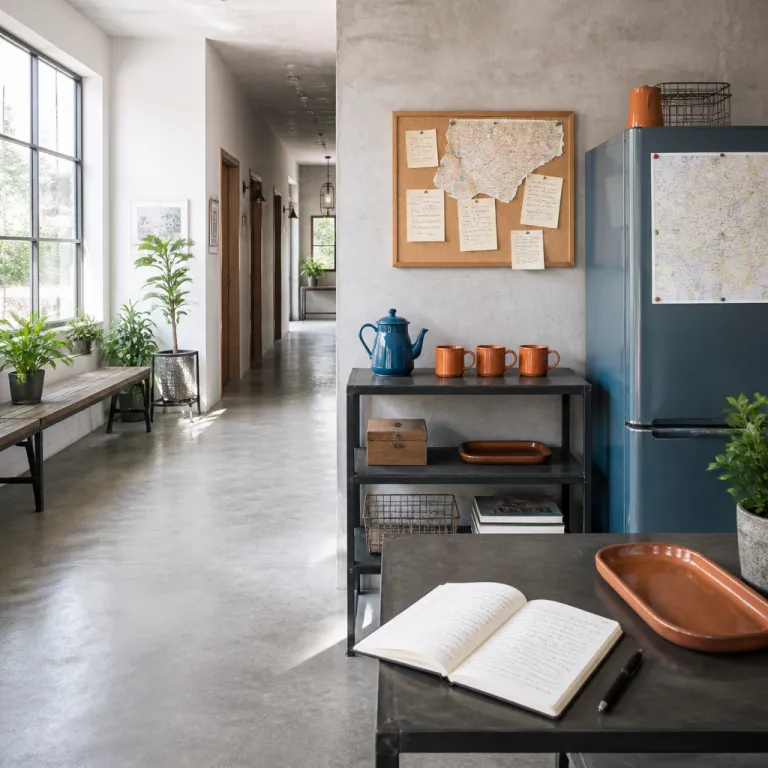
Spend a day in a well run country b&b and you will quickly see how low tech tools quietly outperform digital lists, especially for solo travelers navigating an unfamiliar town. The map on the fridge, often annotated with circles and arrows in different inks, turns the kitchen into an informal planning studio where guests can compare routes, read notes from previous guests and trace their own path from the house to the surrounding farm roads. This is the B&B guest book spirit translated into cartography, a living document that evolves with every stay.
Hosts who lean into this analog approach rarely rely on QR codes for restaurant suggestions, preferring instead to write a short recommendation on a card or in the guest book, sometimes even sketching the street corner where a tiny guest house restaurant hides behind a historic facade. Travelers consistently tell us that they follow these handwritten tips more often than they follow generic digital lists, because the personal touch carries the weight of lived experience and the full context of the host story. When a host notes that a place is ten minutes on foot from the bed breakfast and best enjoyed at sunset for the views surrounding the river, that detail feels more trustworthy than any algorithmic ranking.
For the solo explorer, these analog tools also act as subtle social connectors, turning the breakfast room or farm table into a space where guests compare notes and swap maps. You might arrive at the start of the day planning a private hike and end up joining another family for a shared walk, simply because you both paused at the same fridge map and started talking. That is traditional B&B hospitality at work again, using paper, pen and proximity to transform a simple stay into a layered guest experience that extends beyond the guest room walls.
Analog connection, family narratives and the limits of automation
Behind every strong B&B guest book tradition lies a host who understands that a b&b is first a family scale enterprise, even when the service feels fully polished. Many of the most characterful properties we visit are still working farm stays or historic houses with a rich history and sometimes visible colonial heritage, where the owners live on site and share the same breakfast table as their guests. In these settings, the guest book, the handwritten note and the map on the fridge are not nostalgic props; they are practical tools for managing human relationships in a small space.
Automation can support that work but never replace it, especially when children, grandparents and solo travelers all share the same guest experience over the course of a long term season. A thoughtful host might use reservation software to track which guest rooms suit light sleepers, which appointed guest prefers a farm table breakfast and which family needs a private guest room close to the garden, then translate that data into analog gestures that feel effortless. Our guide to genuinely family friendly stays shows how this blend of structure and spontaneity separates real hospitality from marketing language.
There is also a community dimension to B&B guest book culture that pure software cannot replicate, no matter how advanced the design reservation interface may be. When guests read how others have used the house, from quiet writing retreats to multi generation reunions, they learn how to inhabit the space respectfully and creatively, which in turn protects the house for future guests. In an era where many stays risk feeling interchangeable, the analog rituals of the historic bed and breakfast keep each property rooted in its own story, and that is why the guest book still sits proudly in the hall, waiting for your final lines at the end of the day.
FAQ
Why do B&Bs use guest books ?
Hosts use guest books to collect feedback and create a sense of community, and this practice remains central to many B&B traditions. When guests read earlier entries, they understand how others have experienced the house, the guest rooms and the surrounding country, which often shapes their own stay. For many travelers, writing in the guest book at the end of the day becomes a reflective ritual that deepens the overall guest experience.
Are handwritten notes common in B&Bs ?
Yes, they add a personal touch to the guest experience, especially in smaller properties where the host lives on site. A short message on the bed or farm table can communicate more warmth than a full digital welcome pack, particularly for solo travelers arriving after many minutes on the road. Luxury b&bs often pair these notes with thoughtful amenities in each appointed guest room, reinforcing a human scale approach to hospitality.
Do guests prefer physical maps over digital ones ?
Many appreciate physical maps for their tangibility and ease of use, especially when they are pinned to a kitchen fridge or laid out on a farm table for shared planning. A hand annotated map can show walking times in minutes, highlight views surrounding the house and include restaurant notes that reflect the host story. These analog tools often encourage conversation between guests, which is a core aim of traditional B&B hospitality.
How do modern reservation tools fit with traditional hospitality ?
Modern reservation software such as Software ResNexus helps hosts manage bookings, design reservation flows and maintain a clear privacy policy without sacrificing personal contact. The best b&b operators let the website design and back end systems handle logistics, then focus their energy on analog gestures like guest books, handwritten notes and breakfast conversations. This balance allows guests to enjoy seamless booking while still feeling the human scale warmth that defines historic bed and breakfast stays.
What should solo travelers look for when choosing a B&B ?
Solo travelers seeking strong, story driven hospitality should look for signs of lived in character, such as a visible guest book, a shared farm table for breakfast and hosts who mention personal recommendations rather than only apps. Reading reviews that reference the guest house atmosphere, the story of the house and the quality of interaction with the family can also be helpful. Properties that highlight both private guest rooms and communal spaces usually offer the richest mix of solitude and connection for a solo stay.