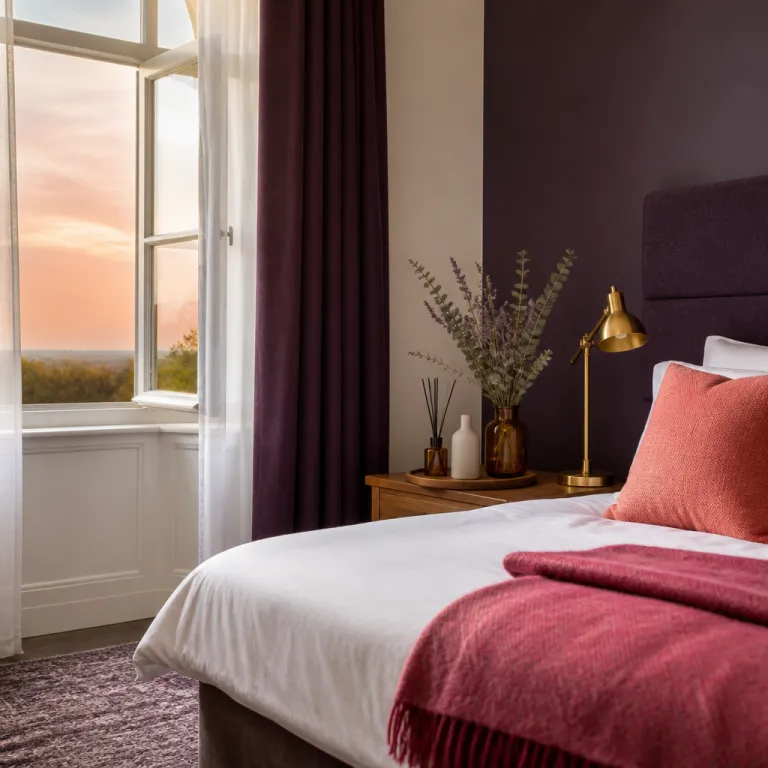
Why BB sensory design lighting scent matters more than the furniture
Walk into a memorable bed and breakfast and you register the atmosphere before you notice the armchairs. Warm pools of light, a quiet fragrance, and soft acoustics create a sensory experience that makes couples exhale. A room designed for evenings, not just photographs, uses emotional design to guide how you move, talk, and finally sleep.
For premium B&B owners and interior designers, the evidence is increasingly clear: lighting and scent influence guest satisfaction more reliably than another expensive chair. Industry benchmarking from boutique hospitality consultancies suggests that properties which invest in layered lighting schemes and a considered aroma profile often see higher review scores and stronger repeat bookings. Design pays when it focuses on sensory experiences rather than purely visual spectacle, especially for couples seeking intimacy rather than Instagram.
Think of lighting as the essential material that shapes every space and all the smaller zones within it. An effective design approach layers natural light by day with dimmable lamps at night, avoiding a single harsh ceiling light that flattens color and mood. In the best case, BB sensory design lighting scent becomes a quiet choreography, where each element supports a coherent sensory narrative instead of competing for attention.
Warm LED lamps with fabric shades soften light and make glass, wood, and stone feel touchable rather than cold. When interior design teams work with acoustic consultants, they tune background sound levels too, so the hum of fridges or corridors does not break the spell. B&B owners who invest in this kind of sensory thinking often report that people mention the atmosphere first in reviews, even before the mattress or the view.
Guests often underestimate how much lighting choices influence their emotional state until they stay somewhere that gets it right. Subtle fragrance cues, like a hint of solid perfume on linen or a discreet diffuser, complete the experience without overwhelming children or scent-sensitive adults. In such spaces, the blend of lighting, aroma, and sound is not a marketing phrase but a lived reality that quietly defines the stay.
The layered language of light in intimate B&B spaces
In a characterful B&B, light is not a switch; it is a script. The most successful properties treat sensory design as a 24-hour story, starting with natural light at dawn and ending with candle-warm tones at night. This layered approach to changing daylight conditions separates a room designed for real evenings from one staged only for midday photos.
Designers talk about task, ambient, and accent lighting, but couples feel it simply as comfort or glare. An effective room gives you a reading lamp that does not wake your partner, a soft glow near the wardrobe, and a bathroom light that flatters rather than interrogates. As one industry explanation puts it without ambiguity, “Warm lighting creates a cozy atmosphere, enhancing comfort.”
In older buildings, where ceiling heights and window placement vary wildly, interior design teams must work with the existing envelope. They use glass shades, linen diffusers, and carefully chosen color temperatures to influence how people perceive the space. When the lighting strategy and scent are handled with this level of care, even a small, case-sized room can feel generous and calm.
Acoustic comfort belongs in the same conversation as light, especially in creaky houses. Thoughtful owners combine soft textiles, rugs, and upholstered headboards with discreet soundscaping so that light sound from corridors fades into the background. For a deeper dive into how mattresses, acoustics, and blackout strategies work together, our guide to sleep focused B&B design unpacks what actually matters once the lights go out.
Even the smallest design elements around lighting can carry emotional weight. A ceramic lamp base made from local raw materials, or a hand-blown glass shade, tells a story that pays back in guest loyalty. When the overall ambiance is aligned with the building’s history, the result is a unique sensory language that couples remember long after checkout.
Scent, perfume, and the art of restraint
Scent is the most intimate part of the sensory mix, and also the easiest to mishandle. A great B&B understands that a fragrance experience should feel like a gentle welcome, not a branded assault. The best hosts treat perfume as one design element among many, balancing it with fresh air, natural materials, and the quiet smell of clean linen.
There are three broad strategies you will encounter in premium B&Bs: fresh flowers, a signature perfume, or an intentional absence of added scent. Fresh flowers and herbs offer a direct connection to the local environment, especially when they come from the garden just outside your window. A carefully chosen solid perfume or diffuser can work too, but only when the character of the fragrance suits the architecture, climate, and guest profile.
Families with children often appreciate a lighter hand, so owners must consider who will share the space. Some B&Bs now offer a small scent menu, with different sensory experiences available on request, from lavender for sleep to citrus for focus. This approach respects that people have different thresholds and allergies while still treating aroma as a curated part of the stay.
Behind the scenes, there is real analysis of perfume choices, from the raw materials used to how the perfume cap and packaging design look on a bedside table. A heavy glass bottle with a well-balanced cap can feel like a design object, while flimsy packaging undermines the message of quality. In the best case, the packaging and the scent form a single, well-judged emotional gesture that quietly signals care.
For couples, the emotional design of scent often becomes part of the story they tell about a place. If you want to understand how these sensory layers turn a stay into a narrative, our feature on when a B&B stay becomes a story explores that arc in detail. And if you are traveling with a family of four, our guide to which European B&Bs really work for families explains how scent, space, and sleep interact when more people share the same room.
Texture, materials, and the quiet power of emotional design
Lighting and scent only reach their full potential when they meet the right material palette. The current shift toward material honesty in hospitality means more linen, stone, wood, and glass, and fewer glossy synthetics that look good on screen but feel lifeless in person. In this context, sensory design becomes a way to reveal texture rather than to hide it.
Couples notice the feel of linen sheets under their hands, the coolness of a stone floor in the morning, and the way worn wood softens footsteps. These tactile experiences are amplified by how light grazes surfaces, picking up the grain of timber or the weave of fabric. When design thinking is applied properly, every surface becomes part of a coherent sensory story, even if it carries no literal perfume.
Choosing suitable materials is not only an aesthetic decision; it is an environmental and emotional one. Natural raw materials age gracefully, developing patina that tells a story rather than demanding replacement, which benefits both sustainability and guest perception. An effective B&B will often leave small imperfections visible, embracing wabi-sabi principles that make spaces feel lived in rather than staged.
Even small objects, like a solid perfume tin on a bedside table or a glass carafe of water, contribute to the overall emotional design. Their color, weight, and packaging design can either support or fight the sensory language of the room. When these elements align, people feel an almost subconscious sense of rightness that is hard to describe but easy to enjoy.
For B&B owners, the case for investing in quality materials is both practical and psychological. Guests who feel this level of care are more likely to return, recommend the property, and forgive minor flaws like a creaky stair. In the long run, design pays not only in higher rates but in the kind of loyalty that no marketing campaign can buy.
The morning light test and how couples really experience a room
The most revealing moment in any B&B stay is often the first morning. Before coffee, before conversation, you wake into the carefully orchestrated lighting, scent, and sound that the host has arranged around you. Natural light, or the lack of it, sets the tone for the day in a way no headboard ever could.
A well-considered room passes the morning light test by balancing orientation, window size, and shading. East-facing rooms might need heavier curtains to control early brightness, while north-facing spaces benefit from lighter fabrics that maximize every ray. When daylight and artificial lighting are thoughtfully managed, couples can choose whether to wake slowly in a dim cocoon or fling open curtains to a bright, optimistic space.
Sound is part of this awakening too, especially in older houses where character comes with creaks. There is a fine line between the charming light sound of distant breakfast preparation and the unwelcome noise of plumbing or thin walls. That is where soundscaping enters the picture, because “The use of ambient sounds to create a relaxing environment” can mask less pleasant noises without feeling artificial.
For many couples, the shared sensory experience of waking well becomes the benchmark for future trips. They may not use terms like sensory design or emotional design, but they will remember how the room smelled, how the light fell, and whether they felt rested. When B&B owners and interior designers collaborate with aromatherapy experts and acoustic consultants, they create spaces that positively shape these intimate moments.
As you browse premium listings, look beyond square meters and amenities lists. Ask about natural light, scent policies, and how many separate spaces exist within the room for reading, working, or simply being quiet together. Those details reveal whether BB sensory design lighting scent is an afterthought or the essential material from which the entire stay is woven.
FAQ
How does lighting affect guest experience in a B&B room ?
Lighting shapes how you feel, move, and rest in a room, far beyond what any single piece of furniture can do. Warm, layered lighting creates a cozy atmosphere, while harsh overhead light can make even expensive interiors feel clinical. This is why many B&Bs now prioritize adjustable lamps, natural light management, and a holistic sensory design strategy as core parts of their interior design approach.
Why is scent important in B&Bs, and can it be overdone ?
Scent taps directly into memory and emotion, so a gentle fragrance experience can make a stay feel distinctive and calming. However, heavy perfume or strong cleaning products can overwhelm guests, especially children or those with sensitivities. The most refined properties use subtle solid perfume, fresh air, and high-quality raw materials to create a unique sensory identity without overpowering people.
What is soundscaping, and how does it help in older B&B buildings ?
Soundscaping is “The use of ambient sounds to create a relaxing environment” in spaces where noise cannot be fully eliminated. In historic B&Bs with thin walls or creaky floors, carefully chosen background sounds can mask disruptive noise while preserving character. Combined with soft materials and thoughtful room layout, this approach supports the overall ambiance of lighting, scent, and comfort.
How can couples evaluate sensory design before booking a B&B ?
Look for reviews that mention ambiance, lighting, and scent, not just cleanliness and location. You can also ask hosts directly about natural light, fragrance policies, and any sensory experiences they intentionally create, such as calming scents or quiet zones. Properties that answer clearly usually treat sensory design as an essential part of their guest experience, not a marketing afterthought.
Are strong signature perfumes suitable for family stays with children ?
Strong signature perfumes can be polarizing, especially for families with children or guests who are sensitive to fragrance. Many thoughtful B&Bs now offer lighter options, fragrance-free rooms, or customizable scent levels to keep the environment suitable for everyone. When in doubt, choose properties that emphasize fresh air, natural materials, and gentle, layered ambiance rather than heavy, fixed aromas.